Craft dark chocolate (70% cacao or higher) is not a guilty pleasure. It is made from cacao, one of the most studied foods for its effects on focus, mood, and calm energy. The difference between a well-made dark chocolate and a standard commercial bar comes down to cacao content, ingredient quality, and how the beans are processed. At Moksha Chocolate, we use high-cacao, minimal-ingredient recipes specifically to preserve the compounds that make cacao worth eating in the first place.
The Science of How Chocolate Affects Your Mood
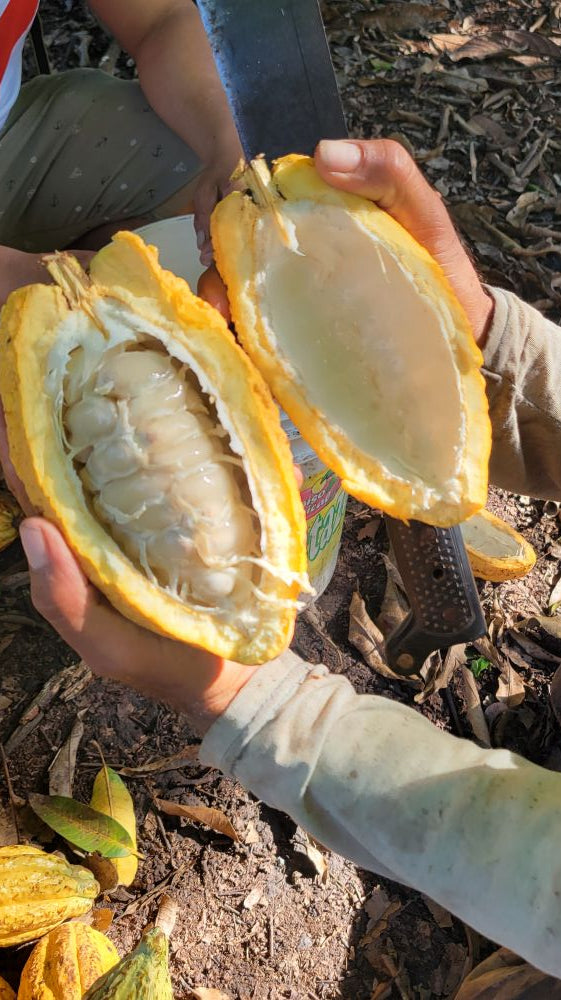
Cacao contains a unique blend of naturally occurring compounds that researchers have studied extensively for their effects on brain chemistry and mood. These are not additives or enhancements. They are native to the cacao bean itself, which is why ingredient quality and cacao percentage matter so much when choosing a chocolate.
- Theobromine: A gentle, longer-lasting stimulant than caffeine that researchers have associated with calm, sustained energy, alertness without jitters, and improved mood and focus. Theobromine is one of the primary reasons cacao has been consumed ceremonially and medicinally for centuries.
- Tryptophan: An essential amino acid naturally found in cacao beans. The body converts tryptophan into serotonin, a neurotransmitter linked to happiness, relaxation, and better sleep. Cacao is one of the few foods that contains meaningful concentrations of tryptophan alongside the other compounds that support its conversion.
- Phenylethylamine (PEA): Known as the "love molecule," PEA has been studied for its role in supporting feelings of excitement, alertness, and connection. It is produced naturally in the brain during positive emotional states and is also found in raw cacao.
- Anandamide: Called the "bliss molecule," anandamide has been studied for its association with feelings of joy and sustained well-being. Cacao contains both anandamide itself and compounds that slow its breakdown in the body, which may prolong its effects.
The combination of these bioactive compounds has been studied for its role in supporting the release of serotonin and endorphins, natural mood influencers that researchers associate with reduced stress and gentle calm energy. The key distinction is that these effects are tied to cacao content. A chocolate with 40% cacao and a long list of added ingredients delivers a fraction of the compounds found in a well-made 70% or higher bar.
Source: ScienceDirect, 2025
Why Dark Chocolate Has Been Studied for Concentration and Memory

Cacao contains cocoa flavanols, a class of plant compounds that researchers have studied in relation to blood flow and cognitive function. Flavanols help produce nitric oxide, which relaxes blood vessel walls and increases oxygen delivery to the brain. In practical terms, this means cacao flavanols may support blood flow to the hippocampus, the region of the brain associated with learning and memory.
Researchers have found associations between regular consumption of high-flavanol cacao and increased alertness, faster information processing, better information retention, and reduced mental fatigue. The caveat is that flavanol content varies significantly by cacao percentage and processing method. High-heat processing and heavy alkalization (Dutch process) destroy a significant portion of flavanols. Moksha sources and processes cacao specifically to retain flavanol content, which means the chocolate you are eating is closer to what researchers actually study.
That makes a piece of well-made dark chocolate a considered choice for focus and problem-solving, not a workaround or a treat you need to justify.
Source: PMC / NIH, 2015
Why Ingredient Quality Matters
Standard commercial chocolate is formulated for sweetness and shelf stability, not cacao content. High sugar levels, vegetable fats, and heavy processing reduce flavanol content and dilute the bioactive compounds described above. This means most widely available chocolate delivers very little of what the research actually points to.
Moksha dark chocolate is made with high-cacao, minimal-ingredient recipes: cacao, cane sugar, cacao butter, and occasionally one or two additional ingredients depending on the bar. No fillers, no vegetable oils, no artificial flavors. The goal is to preserve the natural character of the bean, including its flavor complexity, its natural bitterness, and the compounds that make it interesting to eat with intention.
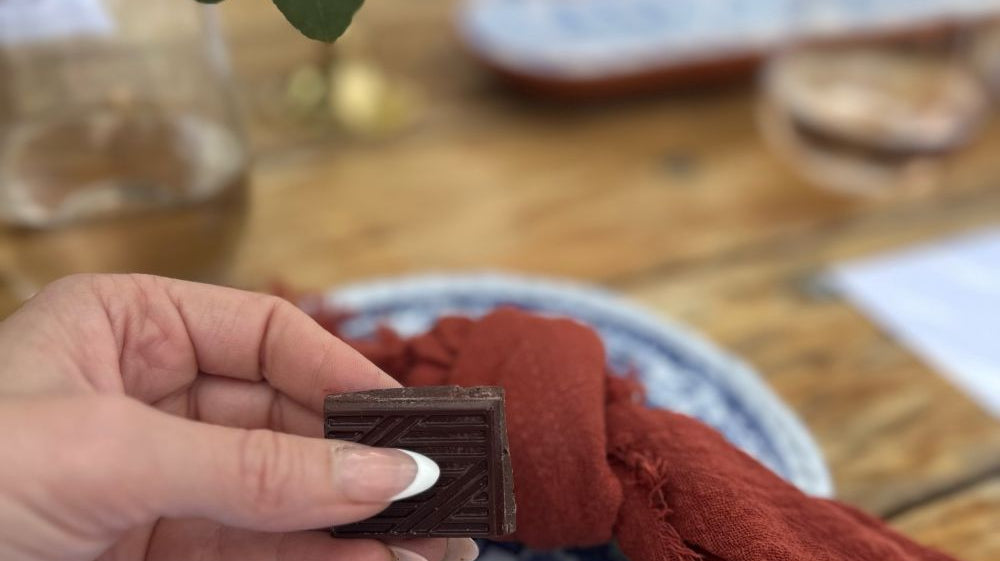
A single-origin Moksha dark chocolate bar at 70% or higher is a straightforward way to incorporate well-made cacao into a daily routine, whether that is a square with morning coffee, an afternoon focus reset, or an evening wind-down paired with something warm.
How to Choose the Right Dark Chocolate
Not all dark chocolate is equivalent. When evaluating a bar for cacao quality, look for: cacao percentage of 70% or higher; a short ingredient list with cacao and cane sugar as the primary ingredients; no hydrogenated oils or artificial flavors; and sourcing transparency from the producer. Moksha publishes origin information for every bar so you know where the cacao came from and how it was processed.
This statement has not been evaluated by the FDA. This product is not intended to diagnose, treat, cure, or prevent any disease.