Menopause brings changes that are often described as physical, but many people notice the mental and emotional shifts just as clearly. Focus can feel harder to sustain. Energy may fluctuate in unfamiliar ways. Sleep may no longer feel restorative in the same way it once did. A general sense of depletion can settle in, even when life looks the same on the surface.
At Moksha, we look at this stage through a wider lens. Menopause is not something to correct or rush through. It is a systems shift, one that asks for different kinds of support: less stimulation, more steadiness, fewer quick fixes and more daily practices that restore capacity over time.
Functional mushrooms are often part of this conversation not because they replace hormones or promise dramatic results, but because they have been studied in relation to areas that tend to feel most strained during menopause: mental clarity, baseline energy, immune resilience, and stress adaptation. Research institutions such as the National Center for Complementary and Integrative Health note that many mushrooms have a long history of traditional use for general wellness, though evidence varies by species and outcome.
This guide explores how functional mushrooms and single-origin cacao can fit into a menopause support routine thoughtfully, without urgency or exaggerated claims.
Menopause as a Whole-Body Transition
Menopause affects far more than estrogen levels. It touches nearly every system in the body. Changes in sleep quality, stress tolerance, digestion, cognition, immune function, and energy metabolism often happen simultaneously.
When these systems are under strain, symptoms tend to stack. Fatigue makes sleep harder. Poor sleep affects mood and focus. Chronic stress amplifies all of it. This is why menopause relief often feels elusive when approached symptom by symptom.
A more supportive approach starts by looking at the whole picture and asking what the body needs more of: rest, nourishment, predictability, and gentler forms of support.
Functional mushrooms fit into this approach because they work systemically rather than symptomatically, with research attention focused on broader physiological processes rather than single symptoms.
What Functional Mushrooms Have Been Studied For
Functional mushrooms are not stimulants, and they are not hormone therapies. Their role is quieter and cumulative.
They have traditionally been used and studied in relation to:
- Cognitive function and mental clarity
- Baseline energy and endurance
- Immune resilience
- Stress adaptation
During menopause, this distinction matters. What once felt energizing can suddenly feel overwhelming. Support that works with the body rather than pushing it often feels more appropriate.
Lion's Mane and Cordyceps: Focus and Energy
Lion's Mane is most often associated with cognitive function and nervous system health. It is frequently discussed during menopause because brain fog, memory lapses, and difficulty concentrating are common during this transition.
Research published in the International Journal of Medicinal Mushrooms has examined compounds in Lion's Mane associated with nerve growth factor activity, which plays a role in neuron maintenance and communication. Rather than acting as a stimulant, Lion's Mane is better understood as supporting steadiness and mental presence over time.
Cordyceps has a long history of traditional use associated with vitality and endurance. Modern research has explored its relationship to cellular energy production, including ATP synthesis.
Together, Lion's Mane and Cordyceps have been studied in ways that relate to focus and energy in a grounded rather than urgent way. Many people exploring menopause-related brain fog and fatigue look for consistent, food-based options as part of a broader daily routine.
Turkey Tail, Maitake, and Chaga: Immune and Systemic Research
Menopause can also place new demands on the immune system. Chronic stress, disrupted sleep, and hormonal changes can all influence immune resilience.
Turkey Tail and Maitake have been studied extensively in relation to immune function and systemic balance, with research attention often focused on beta-glucans and immune modulation, as outlined by Memorial Sloan Kettering Cancer Center. Chaga is often discussed for its antioxidant content, with ongoing research exploring its polyphenol profile.
Rather than targeting a single symptom, these mushrooms have been studied in relation to overall resilience. During menopause, this kind of research context can be useful when thinking about what to incorporate into a daily routine.
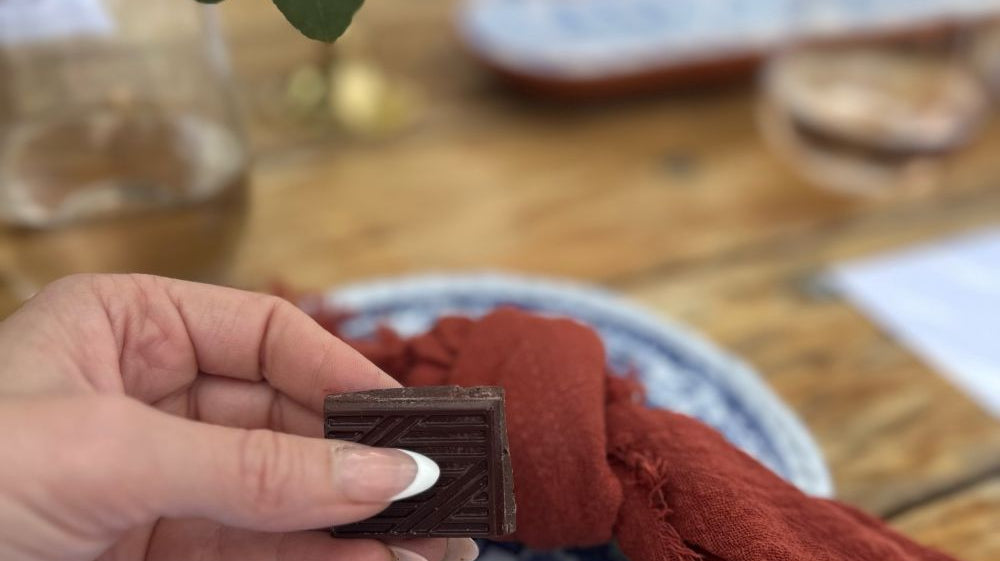
Our Forest Reserve™ Turkey Tail, Maitake & Chaga Mushroom Chocolate Squares bring all three together, paired with 70% single-origin dark chocolate and 500mg of organic, whole-fruiting body mushrooms per serving.
Reishi: Rest and the Nervous System
Sleep disruption and heightened stress sensitivity are among the most common menopause concerns. Reishi has long been associated with calming, restorative qualities in traditional use.
Traditionally valued for its relationship to stress adaptation, Reishi is often explored during periods of transition when rest feels elusive. Research summaries from Memorial Sloan Kettering Cancer Center describe its long history of use for general wellness and stress-related research.
Reishi is not a sedative. It is better understood as a mushroom with a long traditional association with rest and downshifting, studied in contexts related to stress and nervous system function.
Why Cacao Matters Here
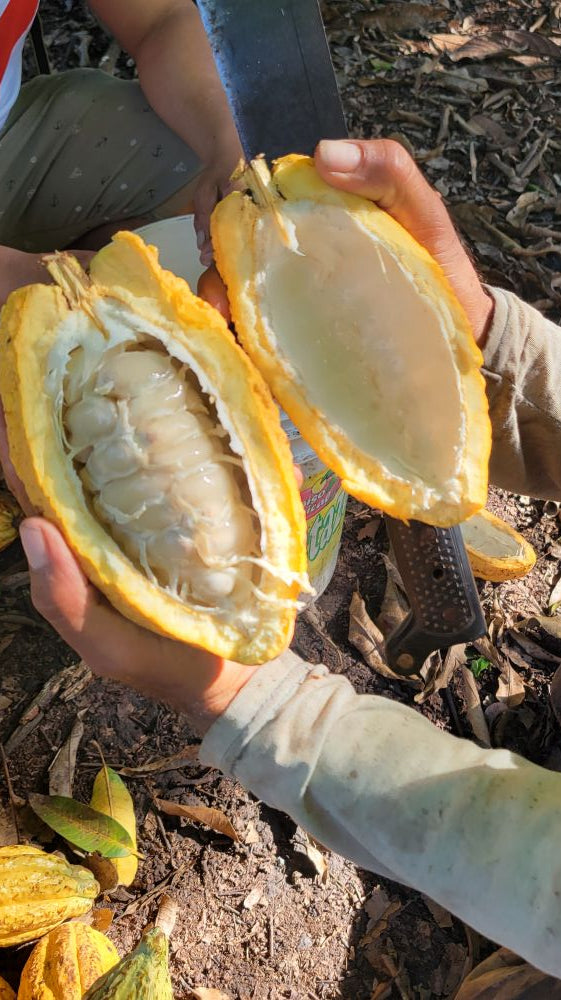
Cacao is more than a flavor choice. High-quality, single-origin cacao contains naturally occurring compounds such as flavanols and theobromine that have been studied in relation to circulation and mood, according to reviews published in journals such as Frontiers in Nutrition. Just as importantly, cacao invites pause.
During menopause, daily practices matter. A warm drink, a moment of stillness, a sensory experience that signals the body to slow down. These moments can support consistency, which is where functional mushrooms tend to work best.
Single-origin cacao also allows for a cleaner, more intentional experience. Flavor nuances reflect place and process, reinforcing the idea that nourishment can be both functional and pleasurable.
By pairing functional mushrooms with cacao, Moksha creates products that fit into daily routines rather than feeling like supplements. This matters because subtle ingredients work best when used consistently.
Consistency Over Intensity
With functional mushrooms, consistency matters more than dosage or timing. Benefits tend to emerge gradually, often first appearing as steadier energy or greater mental clarity after several weeks of regular use rather than as immediate changes.
During menopause, this gradual approach is often more sustainable than interventions that demand immediate results. When the body feels supported, other aspects of the transition often become easier to navigate.
Functional Mushrooms as Part of a Larger Menopause Toolkit
Functional mushrooms are not a solution on their own. They work best when layered into a broader approach that includes:
- Adequate rest and sleep hygiene
- Gentle movement
- Nourishment that supports blood sugar and energy stability
- Daily practices that encourage slowing down
When used this way, mushrooms support capacity rather than override signals.
Setting Clear Expectations
There is no clinical evidence that functional mushrooms treat menopause symptoms directly, and they should not be positioned as treatments for menopause-related conditions. Their role is supportive, not corrective. Any benefits are indirect and rooted in energy, cognition, immune resilience, and stress adaptation rather than hormones.
At Moksha, we believe in clarity over promises. Functional mushrooms are most meaningful when used thoughtfully, consistently, and without urgency.
Frequently Asked Questions
Can functional mushrooms help with menopause symptoms?
Functional mushrooms are not treatments for menopause symptoms. They are often used as part of general daily routines to support areas like energy, focus, immune resilience, and stress adaptation. Some people find that when these systems feel more supported, their overall experience of menopause feels more manageable, but results vary.
Are functional mushrooms safe to use during menopause?
Functional mushrooms such as Lion's Mane, Cordyceps, Reishi, Turkey Tail, Maitake, and Chaga have long histories of traditional use. Many people choose food-based formats like functional mushroom chocolate to make daily use easier. However, individual needs differ. Anyone who is pregnant, nursing, immunocompromised, or taking medications should consult a healthcare professional before adding new functional foods to their routine.
How long does it take to notice effects from functional mushrooms?
Functional mushrooms tend to work gradually rather than immediately. Many people report subtle shifts, such as steadier energy or improved focus, after several weeks of consistent use rather than instant changes.
Do functional mushrooms affect hormones?
Functional mushrooms are not known to directly alter hormone levels. Their use during menopause is generally related to supporting systems like immune function and energy metabolism rather than hormonal pathways.
Why are Moksha's mushrooms paired with cacao?
Cacao supports consistency and daily practice. High-quality, single-origin cacao contains naturally occurring compounds that have been studied in relation to circulation and mood, and it creates a sensory experience that encourages regular use. Pairing cacao with functional mushrooms makes them easier to incorporate into a routine.
Can functional mushroom chocolate replace supplements or medications?
Functional mushroom chocolate is a food-based product, not a replacement for supplements, medications, or medical care. It is best used as part of a broader lifestyle approach that includes rest, nourishment, and realistic expectations.
Editorial Note
This article is educational in nature and does not provide medical advice. Functional mushrooms and cacao are discussed as components of general daily routines. Statements are based on traditional use and published research summaries, not clinical treatment claims.