Cacao powder is one of the most misunderstood ingredients in the kitchen. Most people reach for Dutch-process cocoa without thinking twice. But if you've ever tasted a cup made from minimally processed, single-origin cacao powder, you already know the difference is significant.
This guide covers how to prepare ceremonial cacao powder at home, what to look for in the ingredient itself, and why the farm where the cacao was grown shapes everything in the cup.
What makes ceremonial cacao powder different from cocoa powder?
Standard cocoa powder is alkalized, a process that neutralizes acidity and darkens the color. It also strips out a significant portion of the naturally occurring compounds in cacao, including theobromine and the volatile aromatics that give fine-flavor cacao its complexity.
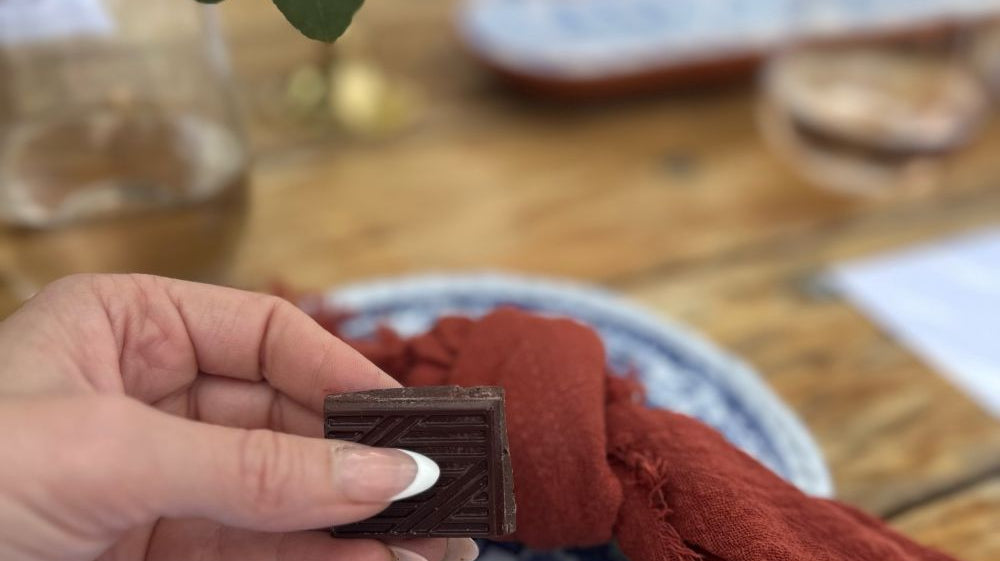
Ceremonial cacao powder skips alkalization entirely. It is made from whole cacao beans that are fermented, dried, and ground without chemical treatment. The result is a powder that retains its natural bitterness, its layered flavor, and its full mineral and antioxidant content.
Our Ceremonial Reserve™ Ground Cacao Powder is made from 100% Peruvian Criollo cacao, one of the rarest cacao varieties in the world, representing less than 5% of global production. No sugar. No additives. No alkalization.
Where does Moksha's cacao powder come from?
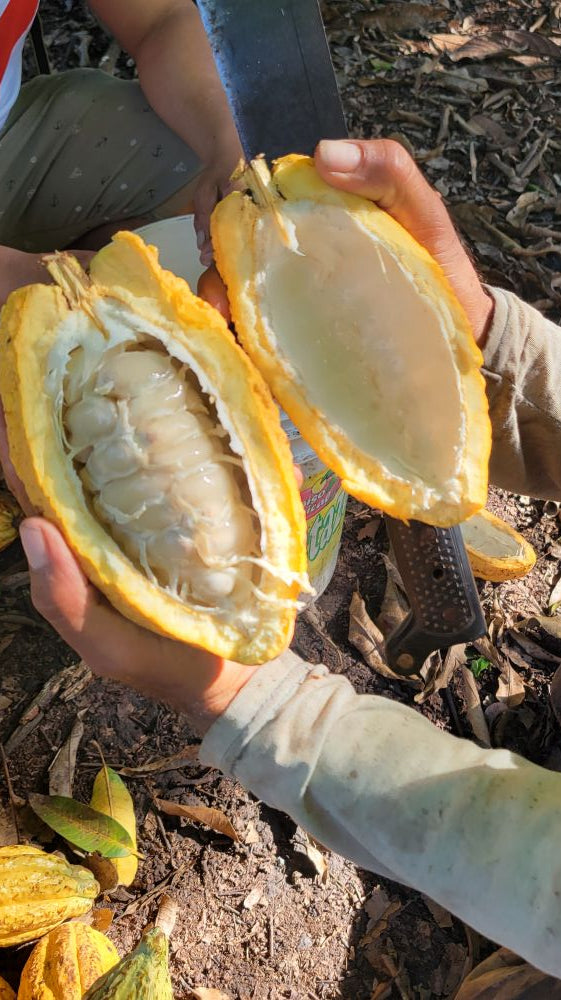
The cacao in our powder comes from Shanao, a farm in the Alto Huayabamba Valley of the San Martin region in northern Peru. We work directly with the team on the ground there, overseeing every step from harvest through fermentation and drying.
The valley's tropical humidity, fertile soil, and shaded canopy create growing conditions that produce fruit-forward, naturally sweet cacao. The flavor profile reflects that: dried fig, panela, soft plum, and toasted cacao, with a mellow cocoa base and warm, earthy undertones.
That origin specificity matters because cacao, like coffee or wine, carries the character of where it was grown. A powder made from undifferentiated commodity cacao tastes flat by comparison.
How to prepare ceremonial cacao powder at home
Preparing cacao powder is straightforward. The key is temperature and ratio. Here is the method we use:
What you need:
- 2 tablespoons (about 14g) Ceremonial Reserve™ Ground Cacao Powder
- 8 to 10 oz water or milk of your choice
- A small whisk or frother
- Optional: a pinch of cinnamon, a small amount of honey, or a pinch of cayenne
Steps:
- Heat your liquid to just below a boil, around 170 to 185 degrees F. Avoid a full boil, which can dull the flavor.
- Add the cacao powder to your mug or a small saucepan.
- Pour a small amount of hot liquid over the powder first and whisk until it forms a smooth paste. This prevents clumping.
- Add the remaining liquid and whisk or froth until fully incorporated.
- Taste before adding anything else. The powder has natural sweetness and complexity that stands on its own.
The result is a full-bodied, unsweetened drinking cacao with a smooth finish. It is not hot chocolate. It is closer to a well-made espresso in terms of intensity and craft.
Adjusting for your preference
Two tablespoons is a good starting point, but the ratio is adjustable. More powder produces a thicker, more intense cup. Less gives you something lighter and more approachable. Whole milk or oat milk adds body and rounds out the natural bitterness. Water keeps the origin flavors cleaner and more pronounced.
If you want to add sweetness, a small amount of honey or coconut sugar works well without masking the cacao's flavor. Avoid anything with a strong flavor of its own, like maple syrup, which tends to compete.
How cacao powder compares to cacao paste
If you have tried our Ceremonial Cacao paste, you will notice the powder produces a slightly lighter cup. Paste is made from whole ground cacao beans and retains all of the cocoa butter, which gives it a richer, more viscous texture. Powder has had most of the fat removed during processing, making it easier to dissolve and a bit more versatile for cooking and baking.
Both start from single-origin cacao. The format is the main difference. If you are new to drinking cacao, powder is often the easier entry point. If you want the fullest expression of the bean, paste is worth trying.
The Cacao Discovery Kit includes both formats if you want to compare them side by side.
Storing cacao powder
Store in a cool, dry place away from direct light. An airtight container extends shelf life significantly. Cacao powder does not spoil quickly, but it does lose aromatic complexity over time, so using it within six months of opening gives you the best flavor.
Ready to try it? The Ceremonial Reserve™ Ground Cacao Powder is available in 8oz bags, sourced directly from our farm in Shanao, Peru.