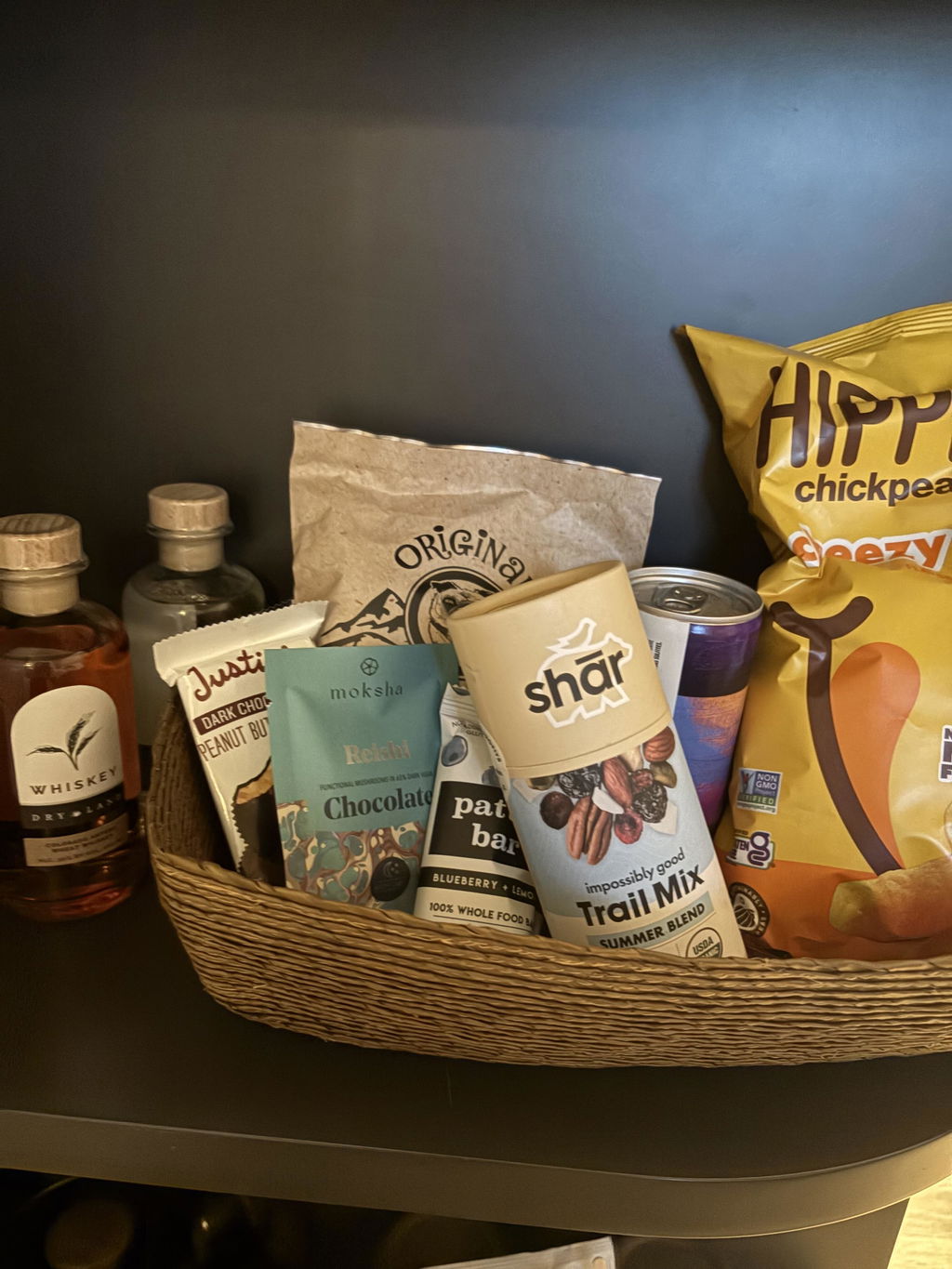
If you live in Colorado, you know the smell.
Some summer mornings, you open the door and the air already feels wrong. The mountains look soft around the edges. The sun is orange before it should be. You check the air quality map, even though your body already knows what it's going to say.
Wildfire smoke changes the way a day feels.
So it's fair to wonder: can wildfire smoke change the way chocolate tastes?
The short answer is yes, smoke can affect cacao flavor. But it's not as simple as "wildfire smoke equals smoky chocolate."
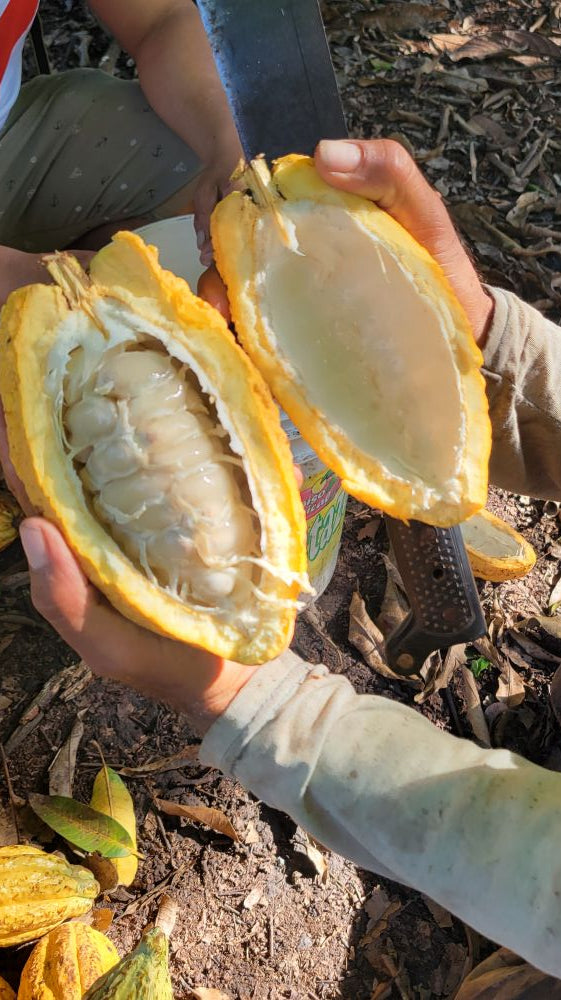
With chocolate, flavor starts long before a bar gets wrapped. It starts with a tree, a pod, a harvest, a fermentation pile, a drying bed, a roast, and a maker making a hundred small decisions.
That's where terroir comes in.

First, what does terroir mean in chocolate?
Terroir is the way place/region shows up in flavor.
People talk about it with wine all the time, and the same idea applies to cacao. Chocolate starts as an agricultural ingredient. Cacao grows on trees, inside pods, in specific soils, climates, and farming systems. Then, the people shape it.
The beans are harvested, fermented, dried, roasted, ground, refined, conched, and tempered. Every step leaves a mark.
That's why two 70% dark chocolate bars can taste completely different. One might taste bright and fruity. Another might taste nutty, earthy, floral, fudgy, or deeply roasted. Chocolate may even taste different from the same region from year to year.
The percentage only tells you how much cacao is in the bar. It doesn't tell you where the cacao came from, how it was fermented, how it was dried, or what the maker chose to bring forward.
Here's a simple breakdown:
|
What shapes flavor |
What it can change |
|---|---|
|
Cacao genetics |
Fruitiness, bitterness, acidity, and structure |
|
Soil and climate |
How the beans develop from season to season |
|
Shade and growing conditions |
How the tree and pods mature |
|
Harvest timing |
Sweetness, acidity, and consistency |
|
Fermentation |
Fruit notes, acidity, aroma, and depth |
|
Drying |
Clean flavor, smoke risk, and off-notes |
|
Roasting |
Nutty, toasted, caramelized, or flat flavors |
|
Conching |
Texture, sharpness, aroma, and finish |
That's terroir in chocolate. It's place, process, and human judgment all showing up in one deliciously smooth bite.
So, can smoke get into cacao?
Yes, but the timing matters.
After cacao beans are fermented, they have to be dried. Drying lowers the moisture so the beans can be stored, shipped, and later roasted. In some places, beans are dried in the sun. In wetter regions, producers may use artificial drying.
That's where smoke can become a problem.
If wood smoke, fuel smoke, or other smoke reaches the beans during drying or storage, the beans can absorb smoky compounds. Those flavors can carry into the finished chocolate.
This is different from a wrapped chocolate bar sitting in Boulder during a smoky week. The bigger flavor risk usually happens much earlier, near the farm, before the cacao ever reaches the maker.
So the better question isn't only, "Did wildfire smoke touch the air?"
It's: Were the cacao beans exposed to smoke during drying, storage, or handling?
That's where smoky off-flavors can start.
What does smoky chocolate taste like?
Not all smoke is bad.
A little roastiness can be beautiful. Some bars have notes that remind you of toasted nuts, coffee, browned sugar, warm bread, or oak. Those can come from the cacao itself, the roast, or an intentional aging process.
But unwanted smoke feels different.
It can taste:
- Ashy
- Burnt
- Medicinal
- Hammy
- Harsh
- Bacon-like
- Dry in the back of your throat
A good chocolate bar should still taste clear. Even if it's deep, dark, earthy, or roasty, you should be able to taste the chocolate underneath.
Think of it like this:
|
If it tastes like… |
It may be… |
|---|---|
|
Toasted nuts, coffee, warm bread |
Roast development |
|
Earth, wood, molasses, tobacco |
Origin or roast character |
|
Oak, vanilla, whiskey warmth |
Intentional aging or flavor design |
|
Ash, medicine, bacon, harsh smoke |
Possible smoke exposure or processing issue |
The difference is control.
Intentional flavor is shaped. Smoke taint usually isn't.
Climate matters, too
Wildfire smoke gets our attention because we can see it and smell it, but climate affects cacao in quieter ways all the time.
Cacao trees are sensitive to heat, rainfall, shade, pests, disease, and harvest timing. Weather can affect how pods develop. It can affect how fermentation behaves. It can make drying easier or harder.
That doesn't mean every storm, drought, or smoky season creates a flavor you can point to directly. Chocolate is more complicated than that.
But cacao is agriculture. And agriculture is never separate from weather.
A harvest from one region may taste different from another harvest in the same region. A producer may adjust fermentation. A maker may adjust the roast. A batch may need extra attention because drying conditions were difficult.
That's part of what makes craft chocolate interesting: It isn't just "dark chocolate." It's cacao, place, season, process, and maker skill.

Why drying is such a big deal
Drying doesn't sound glamorous, but it matters a lot.
If beans dry too slowly, they can develop mold or off-notes. If they dry too quickly, the flavor may feel less balanced. If smoke gets into the drying process, the beans can carry that flavor forward.
Good drying protects the work that happened during fermentation.
It helps create a clean finish. It gives the maker better raw material to work with. It lets the cacao taste like itself instead of like a defect.
This is one reason sourcing matters so much in craft chocolate. The finished bar is only as good as the cacao and the care behind it.
At Moksha Chocolate, we're not trying to cover up cacao. We want the flavor to come through clearly.

Single-origin chocolate makes this easier to taste
If you want to understand terroir, start with single-origin chocolate.
A single-origin bar is made with cacao from a specific place. That might mean one country, one region, one estate, or one cooperative, depending on how the cacao is sourced.
Instead of blending everything into one consistent flavor, single-origin chocolate gives the cacao more room to speak.
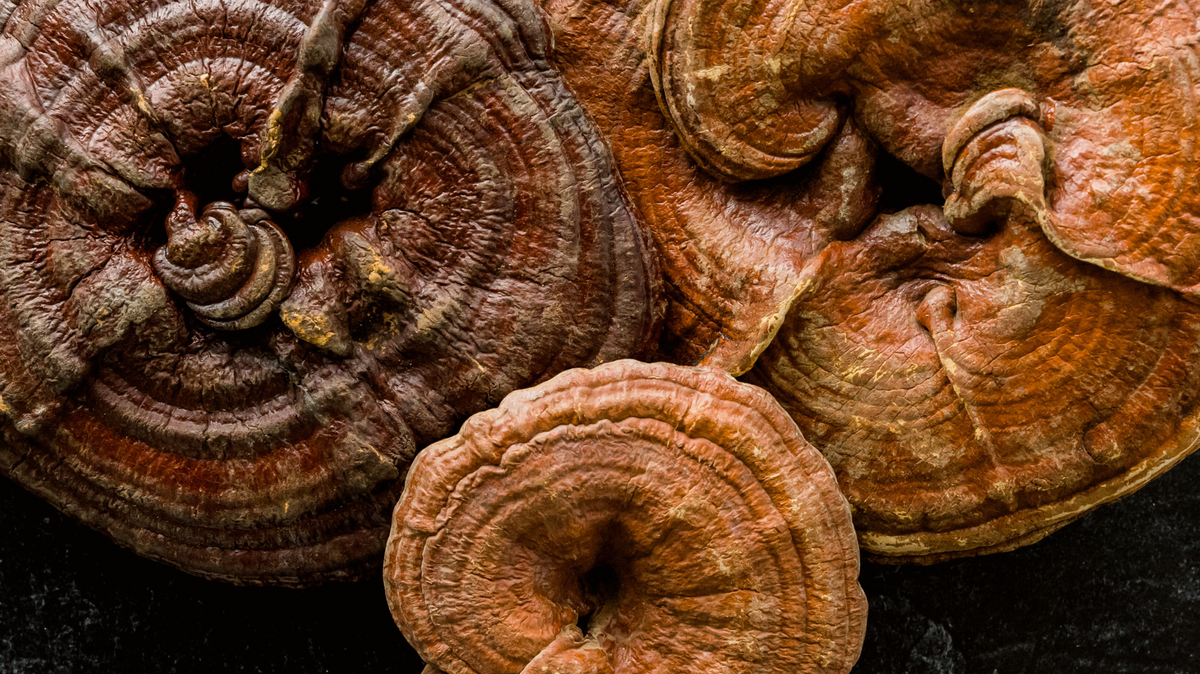
That applies to our single-origin bars and our functional mushroom chocolate, which is also made with single-origin cacao.
When you taste single-origin bars side by side, you may notice:
- Bright fruit
- Dried fruit
- Citrus
- Floral notes
- Toasted nuts
- Caramel
- Fudge
- Earth
- Coffee
- Warm spice
- A clean or lingering finish
These are tasting notes. They don't always mean those ingredients are added. A chocolate bar can taste fruity without having fruit in it. It can taste floral without flowers. It can taste nutty without nuts.
That's the fun part!!!
Once you notice it, chocolate gets a lot less generic.
Start here: shop Moksha single-origin chocolate bars
How to taste chocolate for terroir
You don't need to make this precious.
Just slow down a little.
Try this:
- Let the chocolate come to room temperature.
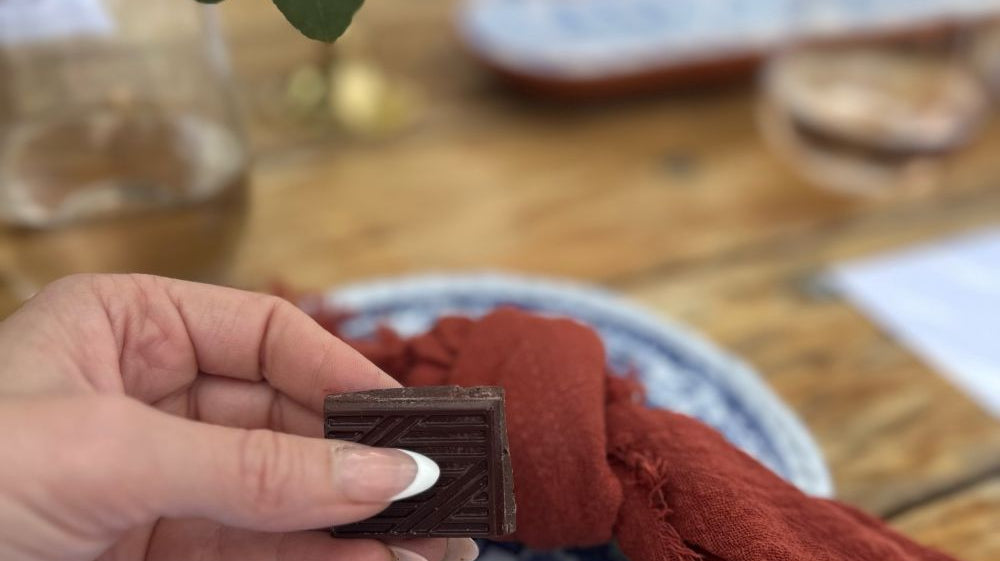
- Break off a small piece.
- Smell it before you taste it.
- Let it melt on your tongue.
- Notice the first flavor.
- Notice what changes as it melts.
- Pay attention to the finish.
- Taste another bar and compare.
The last step is the best part: a single bar gives you an impression of the terrior, but three or four bars give you contrast. Contrast is where you start learning.
Ask yourself:
- Is it fruity, nutty, earthy, floral, or roasty?
- Is the flavor bright or deep?
- Does it taste clean or muddy?
- Does the finish disappear quickly or linger?
- Does any smoky note feel pleasant, or does it feel harsh?
There's no need to get every note "right." Tasting is not a test. It's just paying attention.
A simple tasting flight to try at home
If you want to turn this into a small tasting, build a flight with contrast.
- Start with a pure dark chocolate bar. Taste for cacao flavor first. Notice fruit, acidity, bitterness, roast, and finish. Try the Single Origin Chocolate Bars as a starting point.
- Add a fruit-forward bar. Try the Raspberry 70% Dark. It helps you compare natural cacao notes with a clear fruit inclusion.
- Add something deeper or aged. If you have a barrel-aged or darker roasted bar, taste it next. Notice whether the deeper notes feel smooth and integrated or heavy and dominant.
- Add drinking cacao. Drinking cacao is a different format, but it helps you understand cacao as an ingredient before it becomes a finished bar. It's warmer, fuller, and more direct. Try the Ceremonial Cacao Discovery Kit to explore cacao in paste and powder form.
For gifting or a slower tasting at home, the Ceremonial Cacao is a good way to explore cacao as a drinking format.
Why this matters
Learning about terroir doesn't make chocolate complicated. It makes it more enjoyable.
Once you understand how origin, fermentation, drying, roasting, and inclusions shape flavor, you can choose chocolate based on what you actually like.
Maybe you love bright fruit notes. Maybe you prefer deep fudge notes. Maybe you like earthy dark chocolate. Maybe you care most about a clean finish.
You may also start noticing when a chocolate tastes flat, muddy, overly roasted, or smoky in a way that doesn't serve the cacao.
That's not snobbery. That's just learning how to taste.
Want to learn this in person?
This is exactly the kind of thing we explore in Moksha Chocolate tastings.
A guided tasting lets you compare bars side by side, talk through flavor, and understand how cacao becomes chocolate. It's a good fit for private gatherings, corporate events, client appreciation, and anyone who wants a more thoughtful chocolate experience.
Book a private chocolate tasting in Boulder
FAQs
Do wildfires change how chocolate tastes?
Wildfire smoke can be part of the bigger agriculture and climate story, but smoky chocolate flavor is most often tied to whether cacao beans were exposed to smoke during drying, storage, or handling.
Can cacao absorb smoke?
Yes. Cacao beans can absorb smoky compounds if they're exposed during drying or storage. Those flavors can carry into finished chocolate.
What does terroir mean in chocolate?
Terroir is the way place shows up in flavor. In chocolate, that can include cacao genetics, soil, climate, shade, harvest timing, fermentation, drying, and maker choices.
Why do single-origin chocolate bars taste different?
Single-origin bars reflect cacao from a specific place or producer. Genetics, climate, fermentation, drying, and roasting can all create different flavor notes.
Is smoky chocolate a defect?
Sometimes. Smoke can be intentional when it comes from barrel aging, smoked ingredients, or a designed flavor choice. But harsh, ashy, hammy, or medicinal smoke notes may point to unwanted smoke exposure during processing.
How do I taste chocolate like a professional?
Smell it first, let it melt slowly, notice the first flavor, pay attention to how it changes, and compare it with another bar. Side-by-side tasting is the easiest way to learn.
Final takeaway
Wildfires make us think about smoke. But the bigger story is terroir.
Chocolate is agricultural. It's fermented. It's dried, roasted, refined, and shaped by people at every step.
When you taste craft chocolate slowly, you're tasting more than cacao percentage. You're tasting place, process, and care.
Start with a few bars and taste them side by side. Let the differences teach you! You'll be surprised at all the flavors you find.
Compare fruit and dark chocolate: Single-Origin Chocolate Bars
Explore mushroom chocolate: Functional Mushroom Chocolate
Try drinking cacao: Ceremonial Cacao
Explore cacao formats: Ceremonial Cacao Discovery Kit, Paste and Powder
Book a tasting: Private Chocolate Tasting Experiences