What Is Turkey Tail?
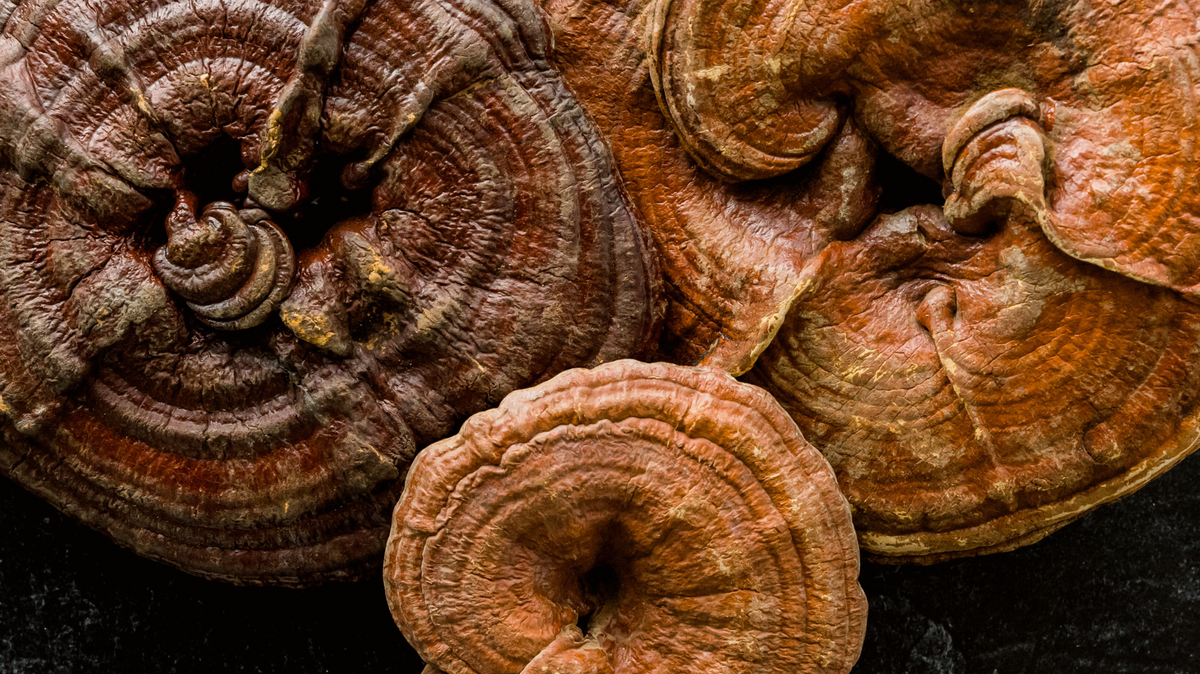
Turkey tail (Trametes versicolor, also known as Coriolus versicolor or Yun Zhi) is one of the most common mushrooms found on dead logs worldwide. This bracket fungus can be found on dead hardwoods across North America, including every U.S. state. Its name comes from its striking colors: shades of brown, gray, blue, green, and white that closely resemble the tail feathers of a wild turkey.
Turkey Tail has been used in traditional Chinese medicine for centuries and is among the most extensively studied functional mushrooms in scientific literature. The Chinese Compendium of Materia Medica was first published in the 1500s and detailed drinking turkey tail mushrooms as a tea for various health conditions.
Where It Grows
Turkey tail is highly adaptable. It grows in temperate, tropical, and subtropical regions, colonizing a wide range of wood types. It can be found on tree stumps and fallen logs, often surviving multiple growing seasons before eventually turning gray at the end of its life cycle.
Turkey tail mushrooms are one of the easiest mushrooms to cultivate. Mushroom-growing kits make it easy to cultivate at home.
What's Inside It
Turkey tail contains polysaccharides, including two that have been the subject of significant research for their potential to support the immune system and improve outcomes for patients undergoing cancer treatment. Polysaccharide-K (PSK, also known as Krestin) and polysaccharide peptide (PSP). It also contains phenols and flavonoids, which are antioxidant compounds found in many plants and fungi.
Turkey Tail and the Gut: What Researchers Have Looked At
Turkey tail is also being explored for its benefits in gut health due to its high content of prebiotic fibers, which help nourish beneficial gut bacteria. The prebiotics in Turkey Tail can promote gut health by supporting a healthy intestinal microbiome.
Turkey Tails also contains some of the highest amounts of beta-glucans, which are soluble fibers that can lower cholesterol, boost immunity, and limit the growth of tumor cells. Their antioxidant properties support the immune system by reducing inflammation and protecting cells from damage
How It Tastes
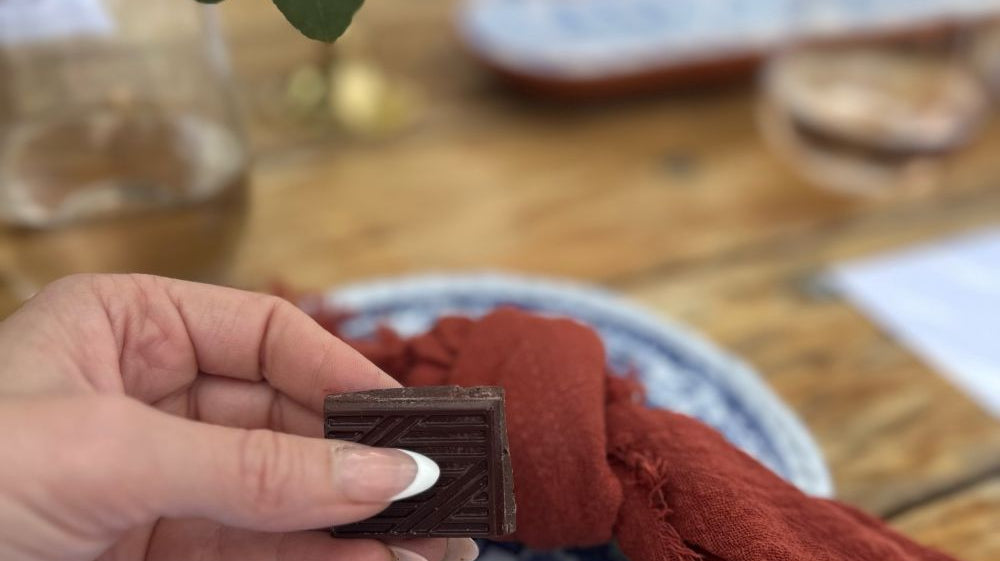
Unlike other functional mushrooms, Turkey Tail is not a culinary mushroom. On its own, Turkey Tail is tough, woody, and slightly bitter with a faint nuttiness. It is not typically eaten whole. Turkey Tail tea, tinctures, and powders are the most common ways of consuming Turkey Tail. At Moksha, we use Turkey Tail whole fruiting body powder to integrate into chocolate, where the mushroom's bitterness complements the natural bitterness of dark cacao.
Turkey Tail in Moksha Chocolate
We use turkey tail in our Forest Reserve™ Turkey Tail, Maitake & Chaga Mushroom Chocolate Squares alongside maitake and chaga. The three mushrooms are paired with single-origin dark chocolate, where each ingredient is chosen for flavor compatibility as much as for its research profile.
Turkey tail also appears in our Forest Blend™ Ceremonial Cacao Paste with 6 Functional Mushrooms, which combines ceremonial-grade cacao paste with a full spectrum of functional mushrooms.
If you're curious about what goes into our mushroom chocolate, the Forest Reserve squares are a good place to start.
References
The Turkey Tail Mushroom: A Thousand Year Story | Mecklenburgh Square Garden,” n.d. http://mecklenburghsquaregarden.org.uk/the-turkey-tail-mushroom-a-thousand-year-story/.
Stamets, Paul. Growing Gourmet and Medicinal Mushrooms. Ten Speed Press, 2011. https://fungi.com/collections/books-by-paul-stamets/products/growing-gourmet-and-medicinal-mushrooms
Rd, Jillian Kubala Ms. “5 Immune-Boosting Benefits of Turkey Tail Mushroom.” Healthline, November 6, 2018. https://www.healthline.com/nutrition/turkey-tail-mushroom#TOC_TITLE_HDR_2.