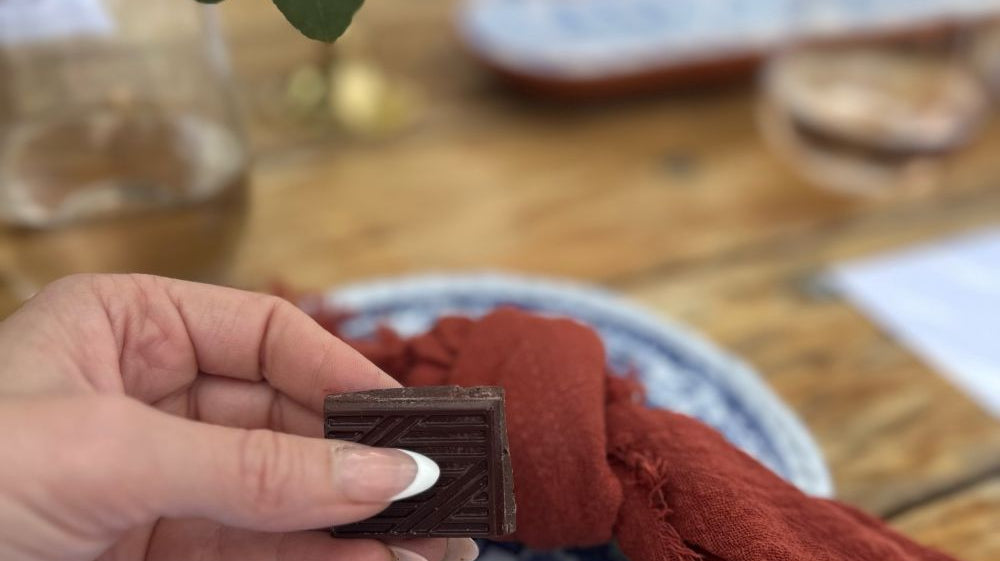
You are eating a piece of chocolate. It is warm, a little fruity, with a finish that lingers longer than you expected. The label says Uganda. You want to know more.
Most origin stories start with a map and end with a tasting note. This one goes further. The Semuliki Forest is not just a name on a wrapper. It is a specific place with a specific history, and understanding it changes how the chocolate tastes.
The Semuliki Forest is one of Uganda's oldest rainforests. It runs along the floor of the Albertine Rift Valley in the Bundibugyo District of Western Uganda, close to the border with the Democratic Republic of Congo. The Rwenzori Mountains rise to the southeast. The forest itself is a protected national park, one of the most biodiverse ecosystems in Africa, home to rare primates, hundreds of bird species found nowhere else on the continent, and plant life that has survived here for millions of years.
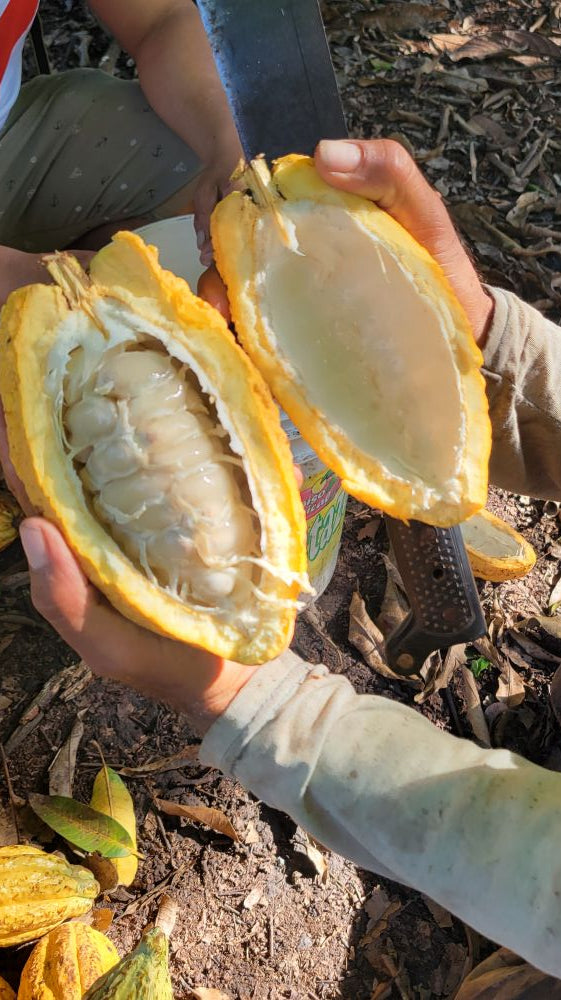
Cacao grows at the forest's edge. The altitude, equatorial rainfall, and rich alluvial soil from the Rift Valley floor create growing conditions that are genuinely unusual. This is not a region that was engineered for cacao production. It is a region where cacao happens to thrive, and the flavor of the bean reflects that.
Bundibugyo is not a well-known origin. Most chocolate buyers have never heard of it.
What Makes Semuliki Forest Cacao Distinctive
Fermentation and drying are the two steps that most determine a cacao bean's final flavor. Done well, they develop the bean's natural sugars and acids into something complex. Done poorly, they produce flat or astringent chocolate regardless of how good the soil is.
Cacao grown in the Bundibugyo District benefits from shade canopy from the surrounding forest, consistent rainfall without extreme dry seasons, and smallholder farming practices that prioritize careful post-harvest handling over volume. The farmers here are not optimizing for yield. They are growing cacao the way it has been grown in this region for generations, and the post-harvest care shows in the cup.
The tasting notes from our bar: brown sugar, mulled fruit, soft fig, toasted cacao. Not bright or acidic like a Madagascar or Tanzania origin. Not sharp or tannic like some high-percentage West African bars. Warm, round, and unhurried. It is the kind of chocolate that rewards slowing down.
How Semuliki Compares to Other Single-Origin Bars
Origin shapes flavor in ways that processing alone cannot replicate. Our Kokoa Kamili 70% from Tanzania runs brighter and more acidic, with red fruit and citrus notes. Our Bejofo Madagascar 65% leans floral and fruity. Semuliki is the warmest and most approachable of the three.
If you are new to single-origin chocolate, Semuliki is a good place to start. If you already know you like bright, acidic profiles, it will show you what the other end of the spectrum tastes like. Neither is better. They are just different places.
Products Made with Semuliki Forest Cacao
At Moksha Chocolate, we use Semuliki Forest cacao across three products.
The Semuliki Forest 70% is a three-ingredient bar: cacao nibs, raw sugar, cocoa butter. No added flavors, no lecithin, no vanilla. 60 grams, $15. At 70% cacao, it is rich without being sharp. The brown sugar note comes through first, followed by mulled fruit and fig as it melts. The finish is soft and long. It pairs well with black coffee or a mild aged cheese, though it does not need either.
The Ceremonial Reserve™ Cacao Paste is the same Bundibugyo cacao in a different form. The whole bean is stone-ground into a paste, minimally processed, and intended for drinking. Add it to hot water, blend, and drink it straight. The flavor is fuller and less refined than the bar, closer to the raw character of the bean.
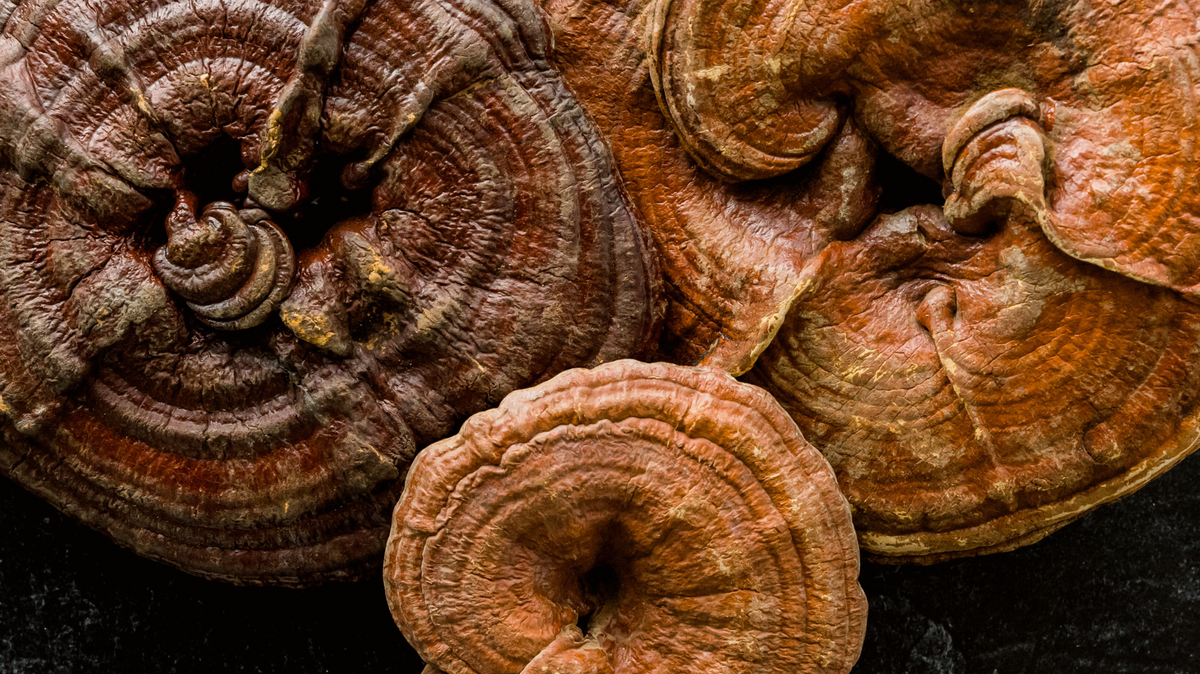
The Ceremonial Forest Blend™ Cacao Paste uses the same Semuliki Forest cacao base with six functional mushrooms added. The cacao origin is identical. The mushroom blend changes the flavor and the ingredient profile.
All three start with the same bean from the same district in Western Uganda. The format changes what you do with it.
To explore more origins side by side, see our full single-origin chocolate bar collection.
Why Single-Origin Chocolate Tastes Different
Most commercial chocolate is made from blended beans. Producers source from multiple countries, blend for consistency, and use alkalization to remove bitterness. The result is chocolate that tastes the same every time, but does not taste like any particular place.
Single-origin chocolate skips the blend. Every bar comes from one region, one harvest, one set of growing conditions. The flavor is a direct record of where the cacao grew and how it was handled after harvest. Semuliki's warmth and balance come from the Albertine Rift Valley, not from anything added in production.
That is what makes origin worth learning. When you know where the cacao comes from, you start to taste the difference between places. Uganda tastes different from Madagascar. Bundibugyo tastes different from the rest of Uganda. The more you pay attention, the more specific it gets.
If you want to develop that skill, our guide to tasting craft chocolate covers the process from first snap to finish.
Semuliki Forest Cacao: Common Questions
Where is Semuliki Forest?
Semuliki Forest is in the Bundibugyo District of Western Uganda, along the floor of the Albertine Rift Valley near the border with the Democratic Republic of Congo. It is a protected national park and one of the oldest rainforests in Africa.
What does Semuliki Forest cacao taste like?
Tasting notes from our 70% bar include brown sugar, mulled fruit, soft fig, and toasted cacao. The finish is soft and long, without the sharpness or acidity common in East African origins like Tanzania or Madagascar.
How is Semuliki cacao different from West African cacao?
West African cacao, primarily from Ghana and Ivory Coast, is grown at large scale and processed for consistency. Semuliki cacao is grown by smallholder farmers in a biodiverse forest environment, fermented and dried with attention to each batch, and used without blending or alkalization. The flavor reflects the specific conditions of the Bundibugyo District rather than a standardized production process.
Is Uganda known for cacao?
Uganda is an emerging origin in the craft chocolate world. It does not have the production volume of West Africa, but its cacao, particularly from the Bundibugyo District, is gaining recognition for its distinctive flavor and careful post-harvest practices. Semuliki Forest is one of the most notable growing regions in the country.
Where can I buy Semuliki Forest chocolate?
Our Semuliki Forest 70% is available online and at our Boulder and Denver locations. It ships nationally.