Spoiler: Not all mushrooms turn you into a zombie. Here's what Cordyceps actually are and why they're showing up in functional foods everywhere.
This blog post references The Last of Us for cultural and educational commentary only. Moksha Chocolate is not affiliated with, endorsed by, or sponsored by HBO, Sony Interactive Entertainment, or Naughty Dog. All trademarks and content related to The Last of Us are the property of their respective owners.
If you've watched The Last of Us, you've probably heard of Cordyceps mushrooms. In the show, a mutated fungus causes a global outbreak by infecting humans, turning them into zombies. It's a compelling story, and it's sparked a lot of curiosity about whether Cordyceps are real, and what they actually do.
Cordyceps mushrooms are real. But they're not something to fear. The type used in functional foods today has a long history of use in traditional Chinese and Tibetan medicine, and as of 2026, research interest in Cordyceps militaris continues to grow.
If you're here because the show made you curious, or because you've seen Cordyceps popping up in more places, we're glad you're here. In this article, we'll walk through what Cordyceps mushrooms actually are, how they're used in real life, and why they've become a favorite in the world of functional chocolate.
What Cordyceps Are and Why They're Being Studied
Cordyceps are a type of mushroom with a long history in traditional Eastern medicine. Today, they're often included in functional foods and beverages as an ingredient of interest.
The variety commonly used in functional foods is Cordyceps militaris, which is cultivated in controlled environments without the use of insects. Researchers have been studying its compounds, including cordycepin and adenosine, for their potential effects on oxygen metabolism and cellular energy production.
You may have heard of another species, Ophiocordyceps unilateralis, which targets insects and inspired the storyline in The Last of Us. That species is not used in human food. The Cordyceps found in functional chocolate and other foods are entirely different and are considered safe for general use when consumed as directed.
Myth vs. Reality: What the Show Got (Kind of) Right
In The Last of Us, a fictional outbreak is caused by a mutated fungus that takes over the human brain, leading to a full-scale collapse of society. That storyline is inspired by a real fungus called Ophiocordyceps unilateralis, which does exist in nature, but it only affects insects, not humans.
There are hundreds of different species of Cordyceps. Most are parasitic and do actually grow on bugs. In nature, Cordyceps spores will infect an insect, take over its body and mind, kill it, and eventually sprout a mushroom through its head. In the wild, this species targets ants, takes over their central nervous system, and compels them to climb to an elevated spot before the fungus releases its spores. It's a remarkable and eerie process that's fascinated scientists for years. But it's also very species-specific. There is no evidence that this fungus, or any other Cordyceps species, can infect humans in this way.
The mushroom used in functional chocolate like Moksha's is Cordyceps militaris, a completely different species. It doesn't hijack anything. Instead, it's grown on a vegan substrate in clean, controlled environments and used in a very different context: as an ingredient in craft chocolate made in Boulder, Colorado.
So yes, there's a sliver of real biology in the show's premise, but what Cordyceps looks like in the functional food world is a far cry from fiction.
What Researchers Have Looked At
Cordyceps has been used in traditional Chinese and Tibetan medicine for centuries, where it's often valued as a tonic ingredient. Today, it's become a subject of growing scientific interest.
While research is still emerging, studies have begun exploring Cordyceps militaris in the context of:
- Oxygen metabolism and how the body produces cellular energy
- Endurance during physical activity, particularly in studies involving athletes
- Cordycepin, a compound unique to Cordyceps, and its effects at the cellular level
- Adaptogenic properties, meaning how the body responds to occasional physical stress
- Adenosine content and its relationship to cellular signaling
Research is ongoing and results vary. Cordyceps is not a quick fix, and individual responses differ. If you're considering adding any functional mushroom to your routine, it's worth consulting with a healthcare provider.
How to Enjoy Cordyceps
One of the things people appreciate about Cordyceps is how easy it is to incorporate into everyday life. While it's available in capsules and powders, many people prefer more enjoyable formats like chocolate or cacao blends.
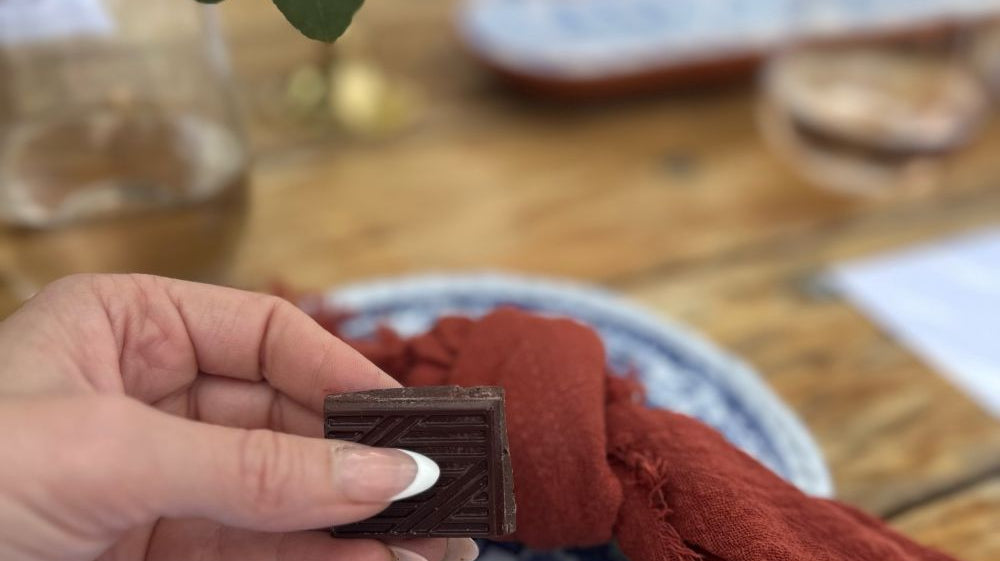
At Moksha Chocolate, we use whole fruiting body Cordyceps militaris in our small-batch recipes, made in Boulder, Colorado. Our Cordyceps Mushroom Chocolate is a popular option for people who want to explore functional mushrooms in a format they actually enjoy.
Here are a few ways people enjoy Cordyceps:
- As a morning chocolate alongside coffee or tea
- In the afternoon as a caffeine-free alternative to an energy drink
- As part of a broader exploration of functional mushrooms alongside Lion's Mane or Reishi
There's no one right way to enjoy Cordyceps. What matters most is finding a format you like, so it becomes something you actually reach for.
Frequently Asked Questions About Cordyceps
Is Cordyceps the same mushroom from The Last of Us?
No. The show is based on a fungus called Ophiocordyceps unilateralis, which only affects insects. The Cordyceps used in functional foods is Cordyceps militaris, a different species that's safe for human use and grown in clean, controlled environments.
What does Cordyceps do?
Cordyceps has a long history of use in traditional Chinese and Tibetan medicine. Modern researchers have been studying its compounds, including cordycepin and adenosine, for their potential effects on oxygen metabolism and cellular energy production. Research is ongoing.
Can I take Cordyceps every day?
Many people include Cordyceps as part of their daily routine. As with any functional ingredient, it's a good idea to consult with a healthcare provider before making changes to your diet.
Is Cordyceps safe?
Cordyceps militaris is considered safe for general use when consumed as directed. Choose products made with transparency and care, like those crafted in small batches with organic ingredients.
How long does it take to notice anything from Cordyceps?
Individual responses vary. Functional mushrooms are generally studied for their effects over time rather than immediate results. Most research looks at consistent use over weeks or months, not single doses.
Final Thoughts
Cordyceps may have made headlines because of a fictional outbreak, but in the real world, this functional mushroom has been used in traditional medicine for centuries and is now the subject of growing scientific research. Safe, well-studied, and surprisingly versatile, Cordyceps militaris is nothing like its insect-infecting cousin, and it's certainly not trying to take over your brain.
If you've been curious about trying Cordyceps, Moksha makes it easy. Our Cordyceps Mushroom Chocolate is crafted in small batches in Boulder, Colorado, using whole fruiting body Cordyceps militaris and ethically sourced cacao. No spores required.
Explore our full functional mushroom chocolate collection to see what else we make, including our Daytime Mushroom Chocolate with turkey tail, Maitake, and Chaga.