Does cacao have caffeine?
Yes. Cacao contains caffeine, but usually much less than coffee.
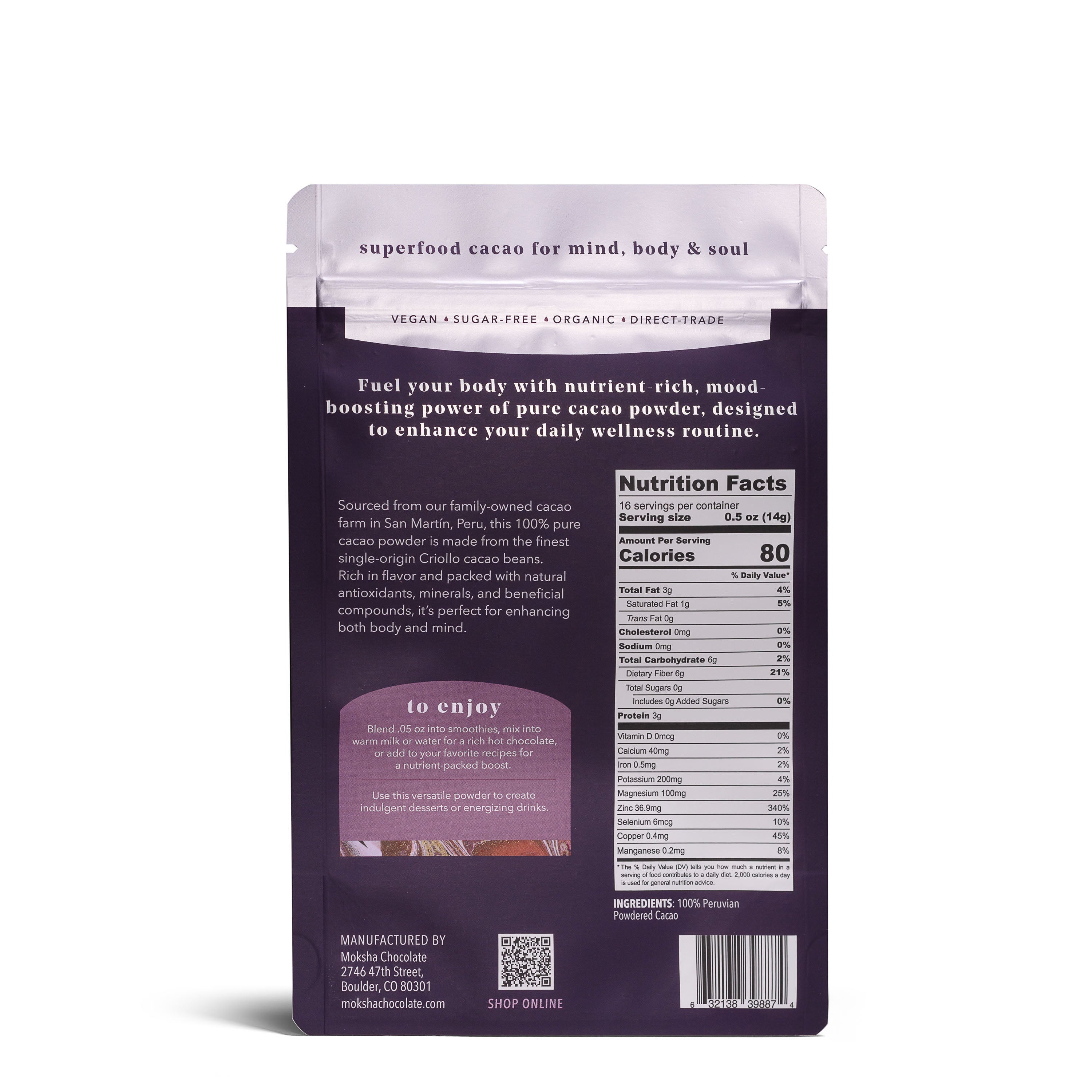
Cacao paste, cacao powder, and dark chocolate all contain naturally occurring caffeine because they come from cacao beans. Cacao also contains theobromine, another naturally occurring compound found in cacao.
So, no, cacao isn’t caffeine-free. But it’s also not coffee. The amount of caffeine depends on the cacao format, serving size, origin, and preparation method.
Key facts about caffeine in cacao
-
Cacao naturally contains caffeine.
-
Cacao also naturally contains theobromine.
-
Cacao paste and cacao powder both come from cacao beans.
-
Dark chocolate contains caffeine because it contains cacao solids.
-
White chocolate usually contains little to no caffeine because it doesn’t usually contain cacao solids.
-
Coffee usually contains significantly more caffeine than drinking cacao.
-
If you’re sensitive to caffeine, pay attention to serving size and timing.
Cacao caffeine comparison
|
Product or drink |
Contains caffeine? |
Best way to think about it |
|
Drinking cacao |
Yes |
Usually lower in caffeine than coffee. Amount depends on serving size and format. |
|
Cacao powder |
Yes |
Made from cacao solids, so it naturally contains caffeine. |
|
Cacao paste |
Yes |
Made from ground cacao beans, including cacao solids and cacao butter. |
|
Mushroom cacao paste |
Yes |
Made with cacao paste, so it naturally contains caffeine from cacao beans. |
|
Dark chocolate |
Yes |
Higher cacao percentages usually contain more cacao solids. |
|
Milk chocolate |
Yes, usually less than dark chocolate |
Amount depends on cacao percentage and recipe. |
|
White chocolate |
Usually little to none |
Usually made with cocoa butter, not cacao solids. |
|
Coffee |
Yes |
Usually much higher in caffeine than cacao. |
|
Black tea |
Yes |
Usually less caffeine than coffee, but still caffeinated. |
What is cacao?
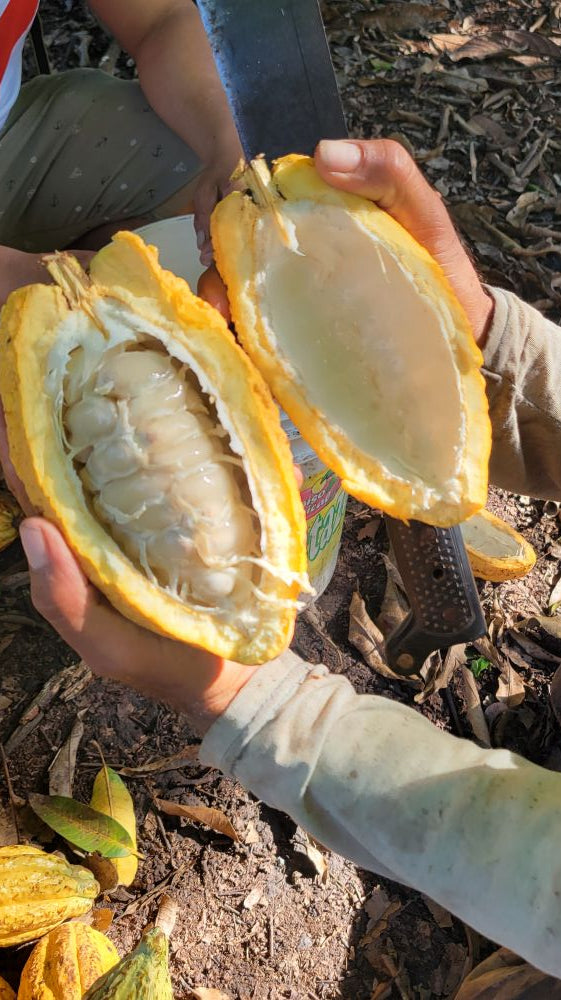
Cacao comes from the beans of the Theobroma cacao tree.
At Moksha Chocolate, we use the word cacao when we’re talking about minimally processed cacao products made for drinking, like cacao paste and ground cacao powder.
We use the word chocolate when cacao is made into a finished chocolate bar with sugar, cocoa butter, milk, or other ingredients.
That difference matters. Cacao paste, cacao powder, cocoa powder, hot cocoa mix, and chocolate bars all come from the same plant, but they’re not the same product. They’re processed differently, prepared differently, and used in different ways.
Does Moksha’s drinking cacao contain caffeine?
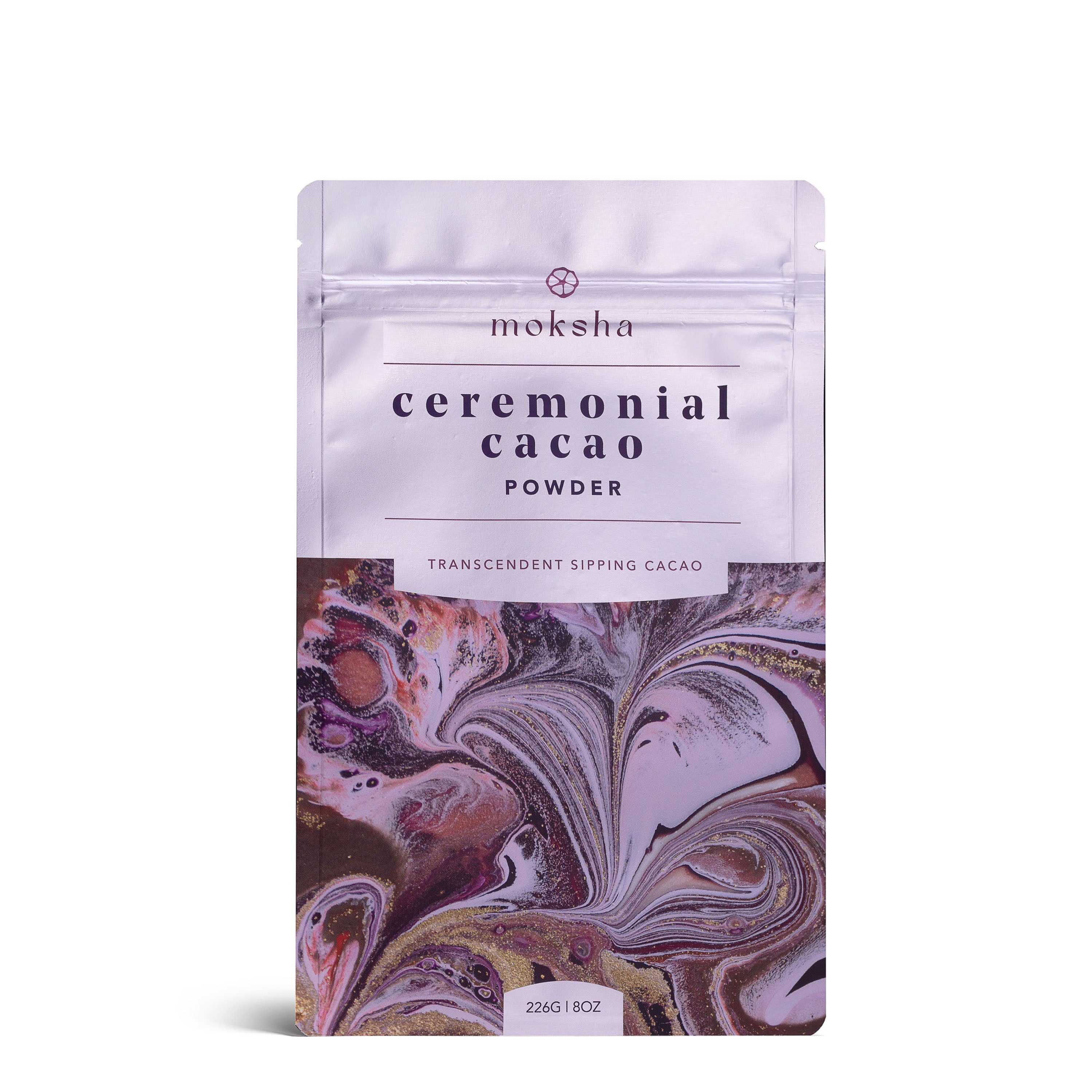
Yes. Moksha’s drinking cacao contains naturally occurring caffeine because it’s made from cacao beans.
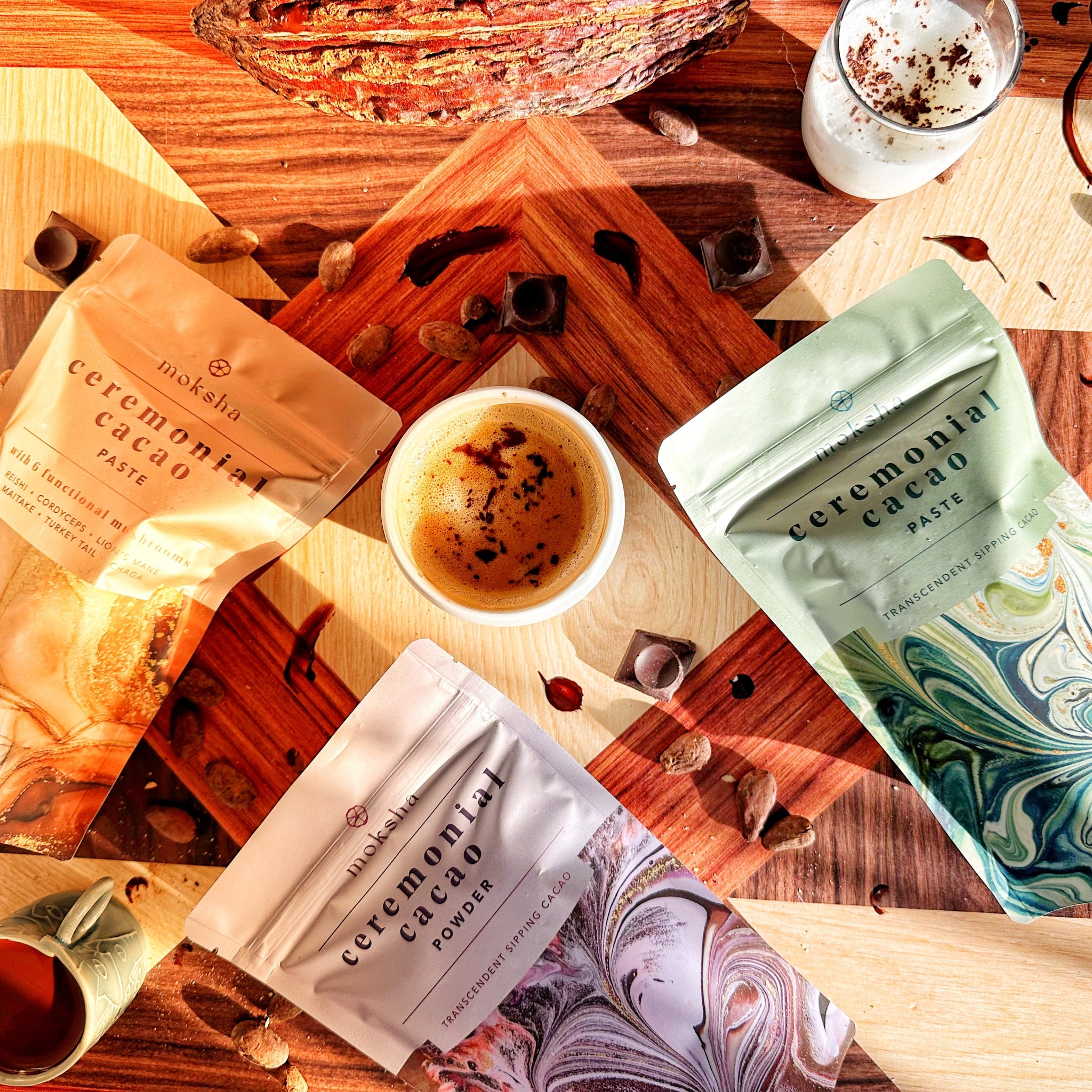
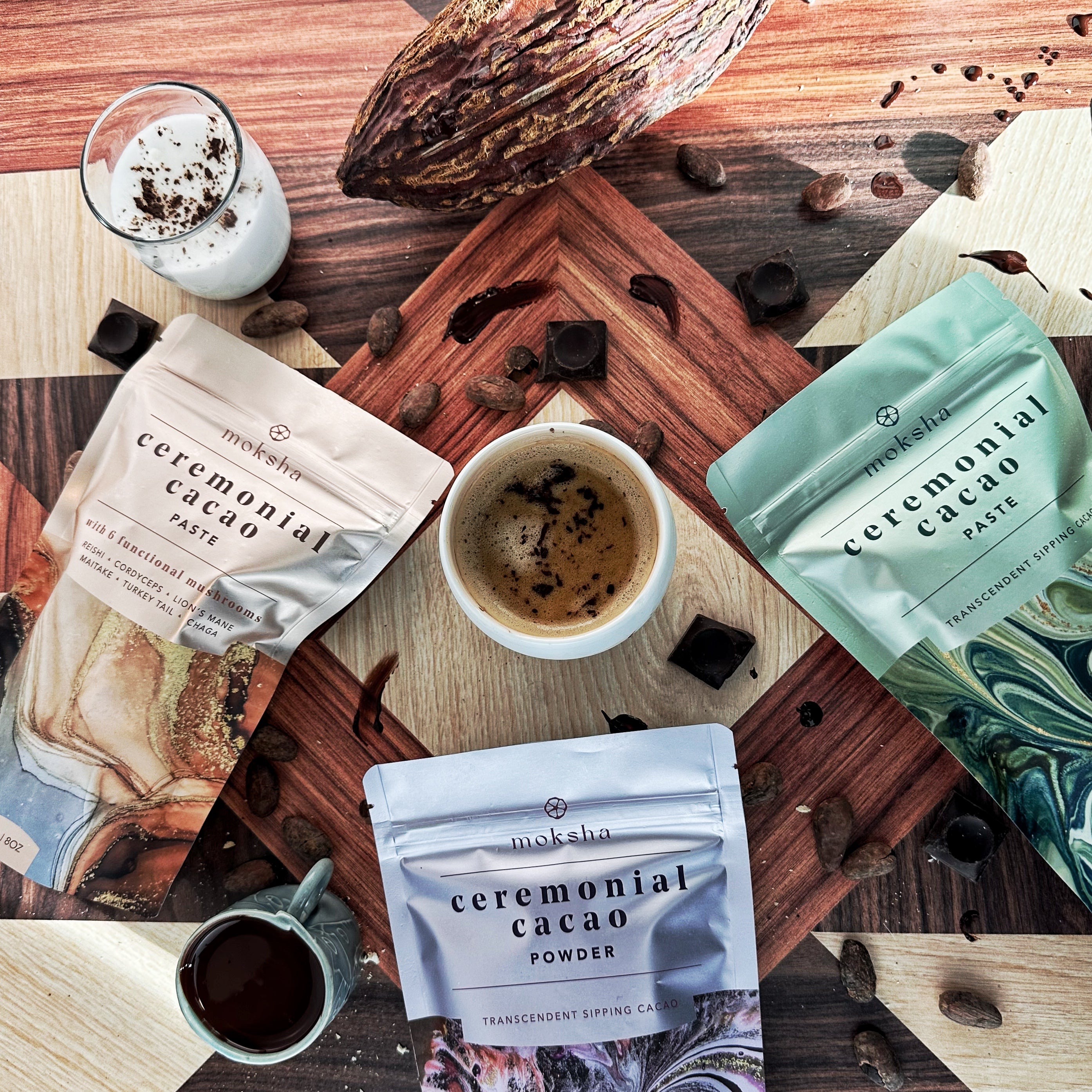
Moksha currently has three drinking cacao options:
If you want to compare powder and paste side by side, start with the Ceremonial Cacao Discovery Kit.
You can also browse Moksha’s full Ceremonial Drinking Cacao collection.
Cacao paste vs. cacao powder vs. mushroom cacao paste
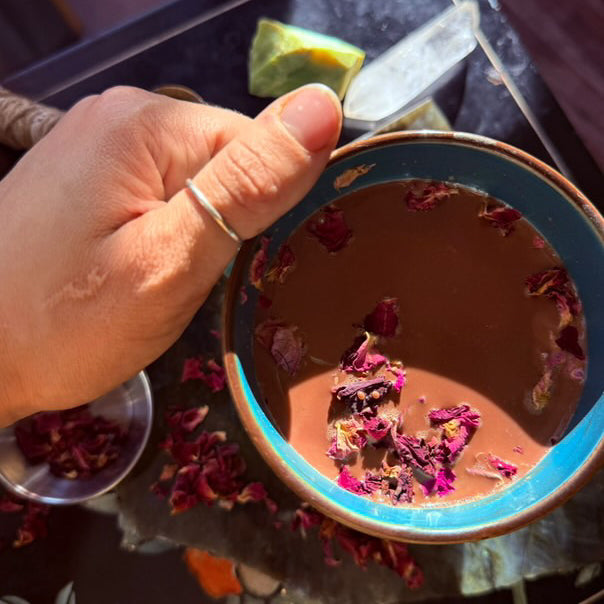
Cacao paste, cacao powder, and mushroom cacao paste all begin with cacao beans, but they make different kinds of cups.
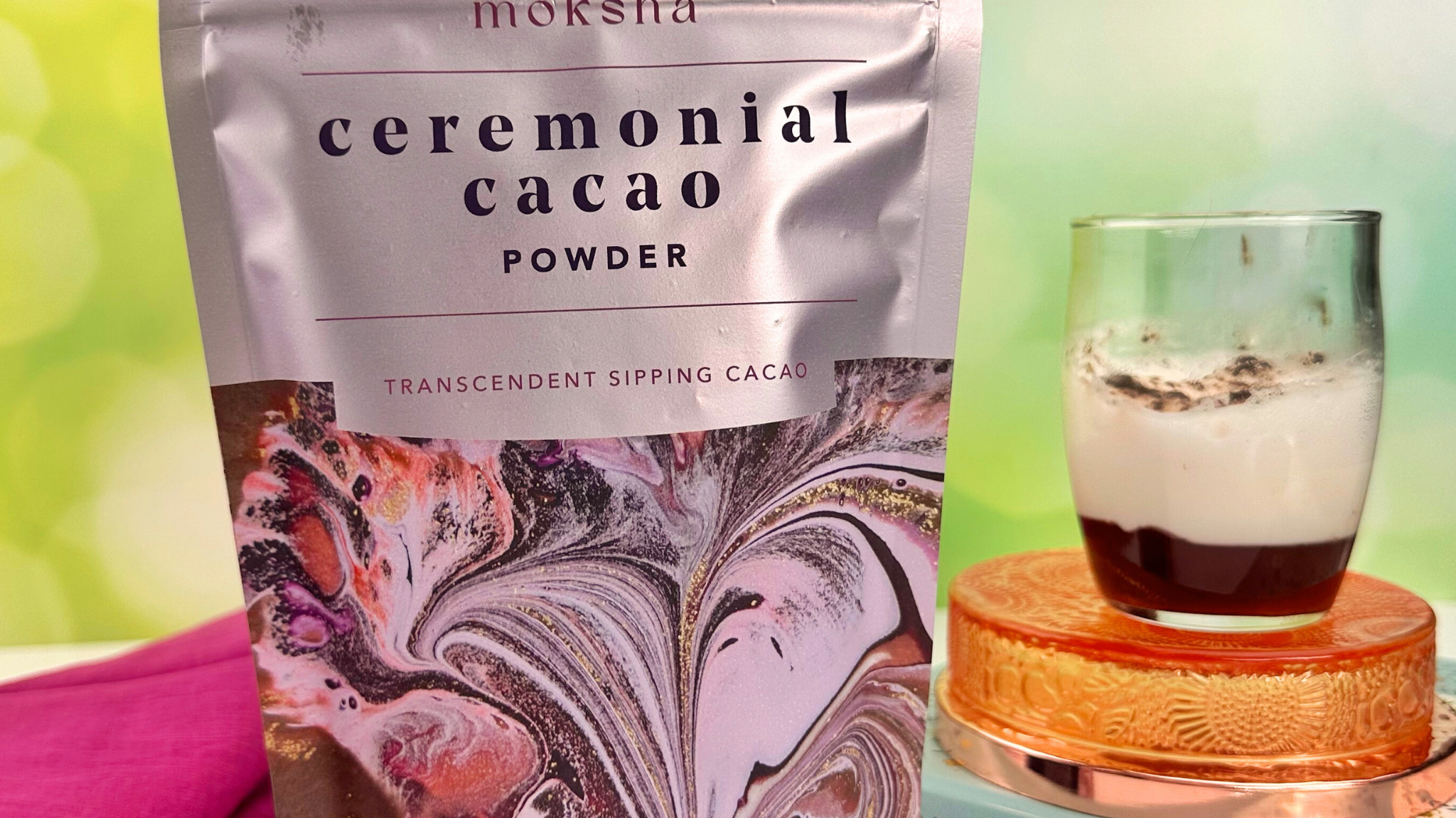
Cacao powder is made from cacao solids after some of the cacao butter has been removed. It mixes more easily and creates a lighter cup.
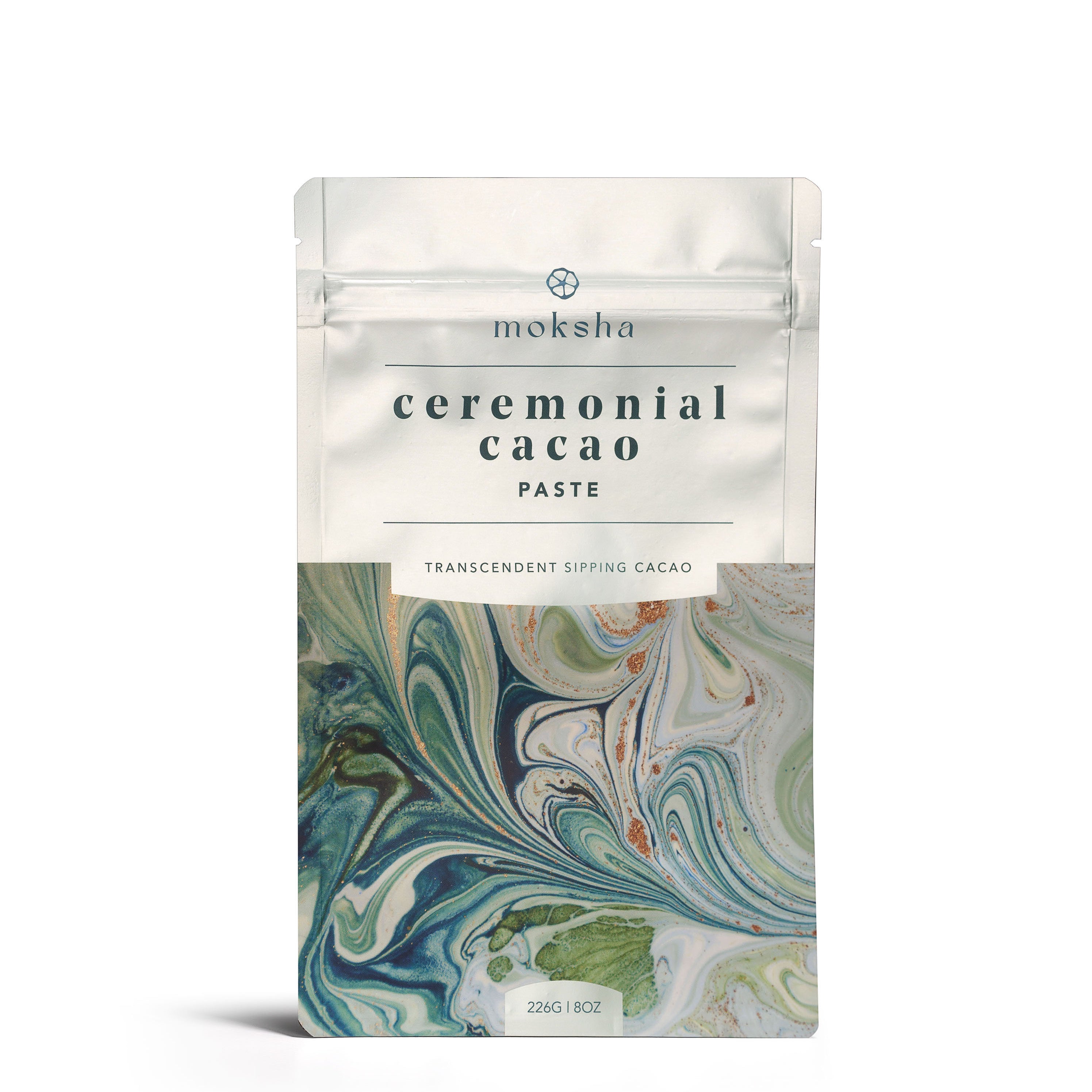
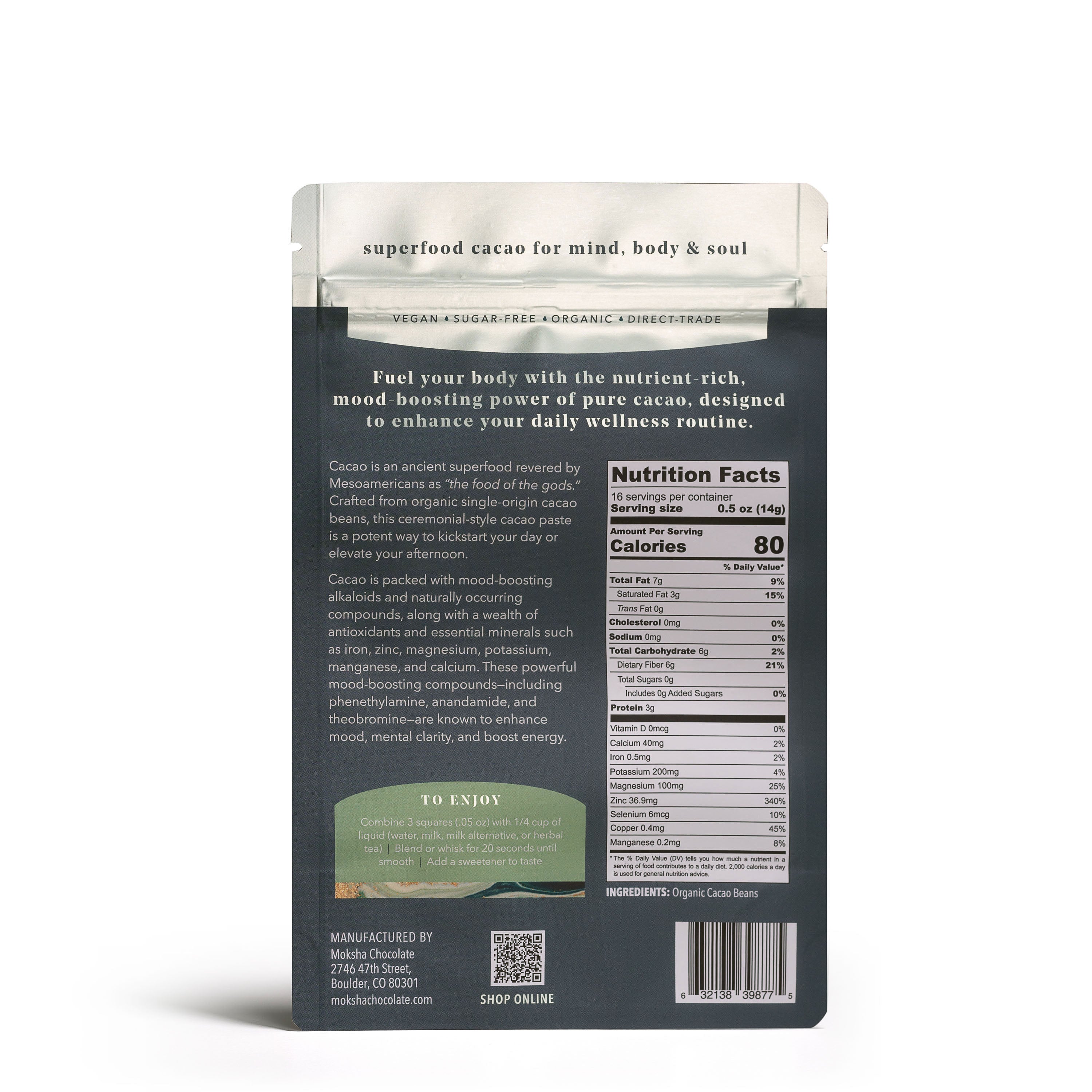
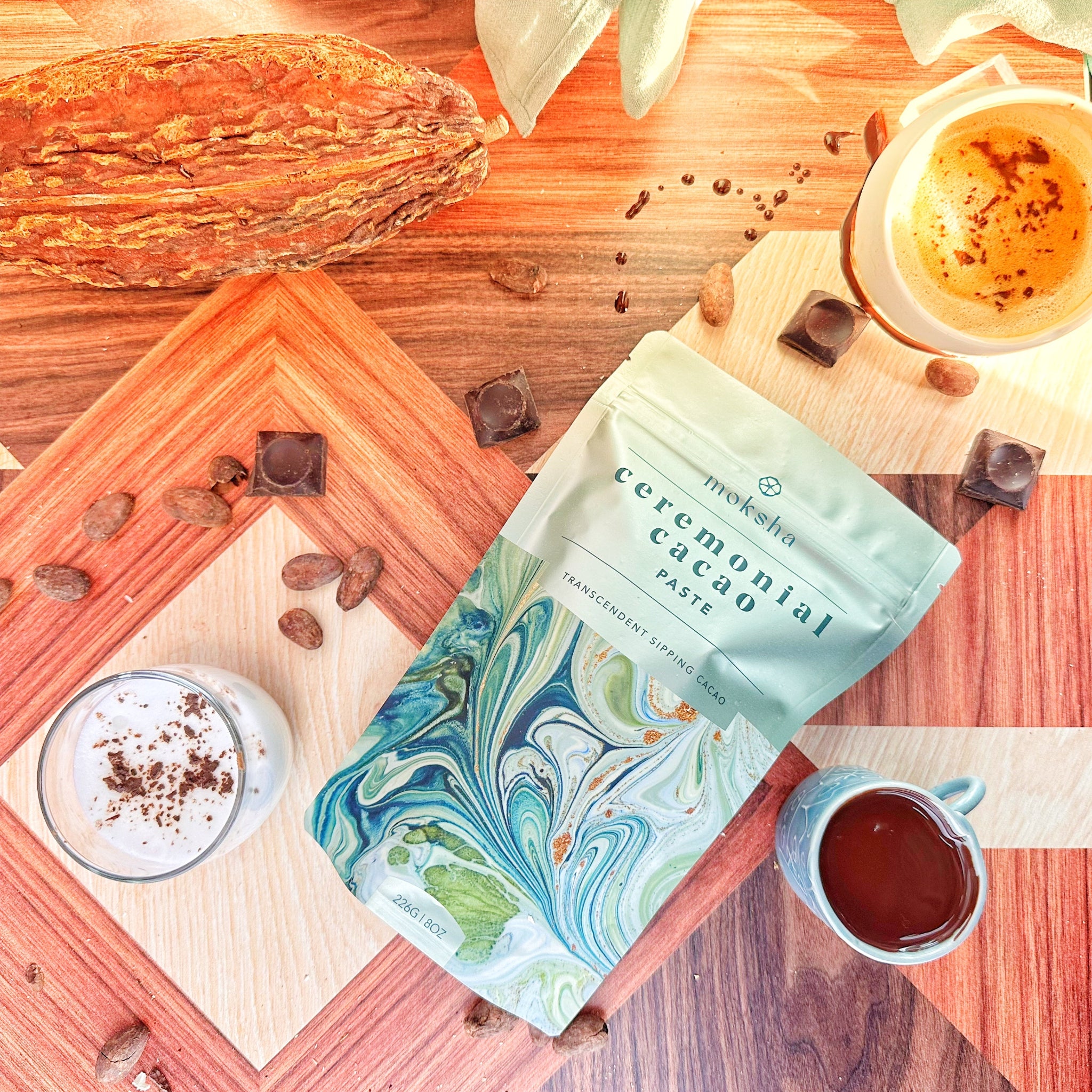
Cacao paste is made from ground cacao beans. It includes cacao solids and the natural cacao butter found in the bean. When it’s melted into hot water or milk, it creates a richer, fuller drinking cacao.
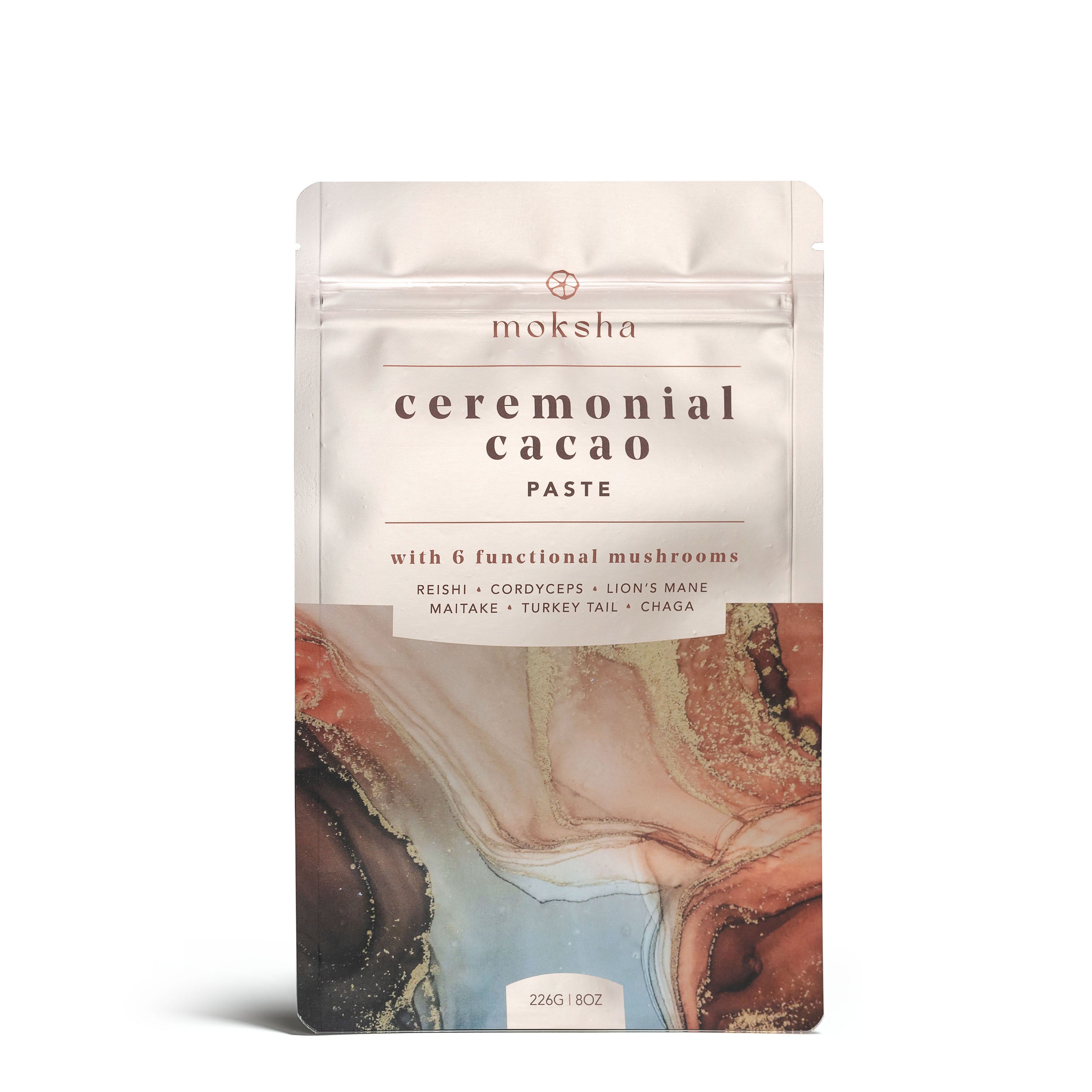
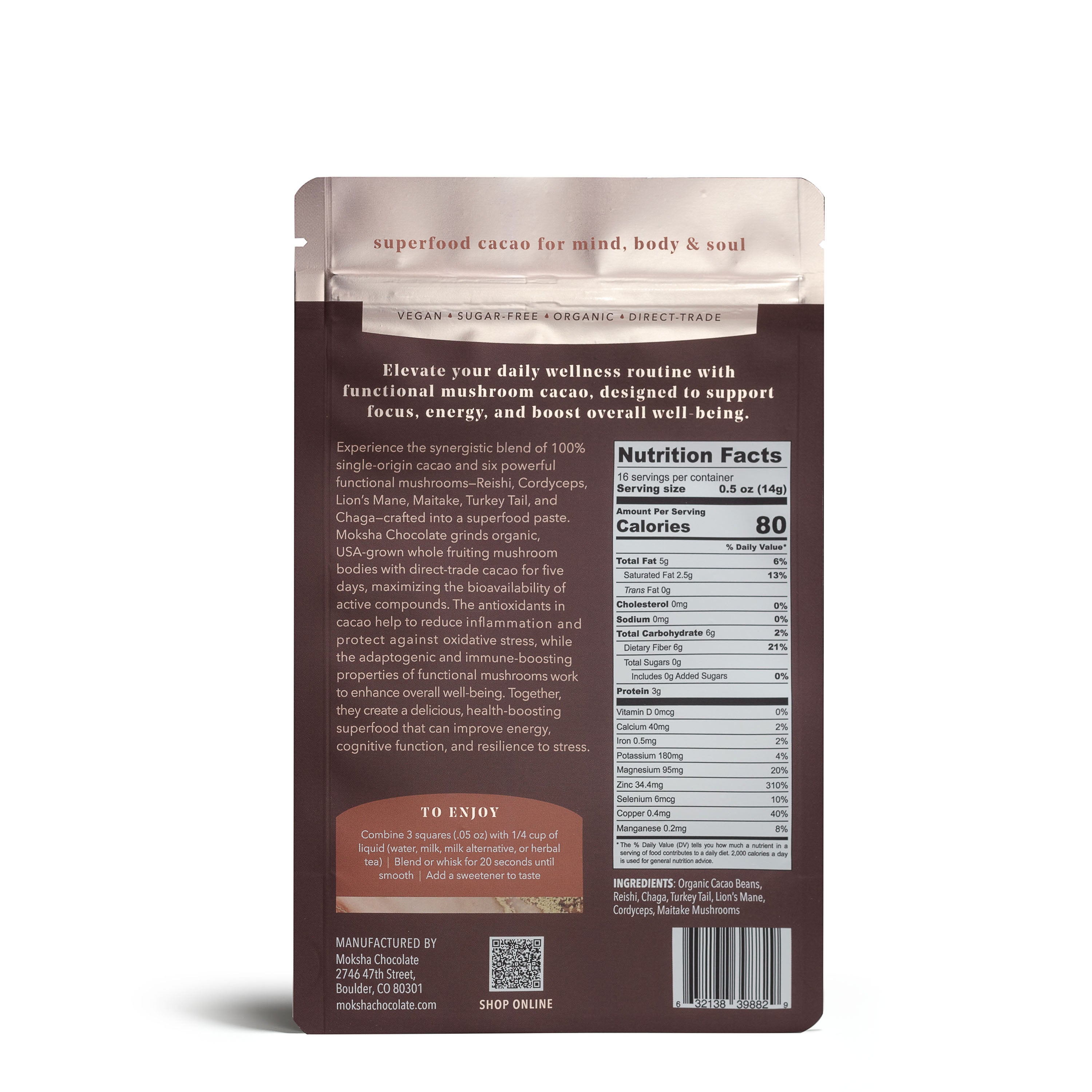
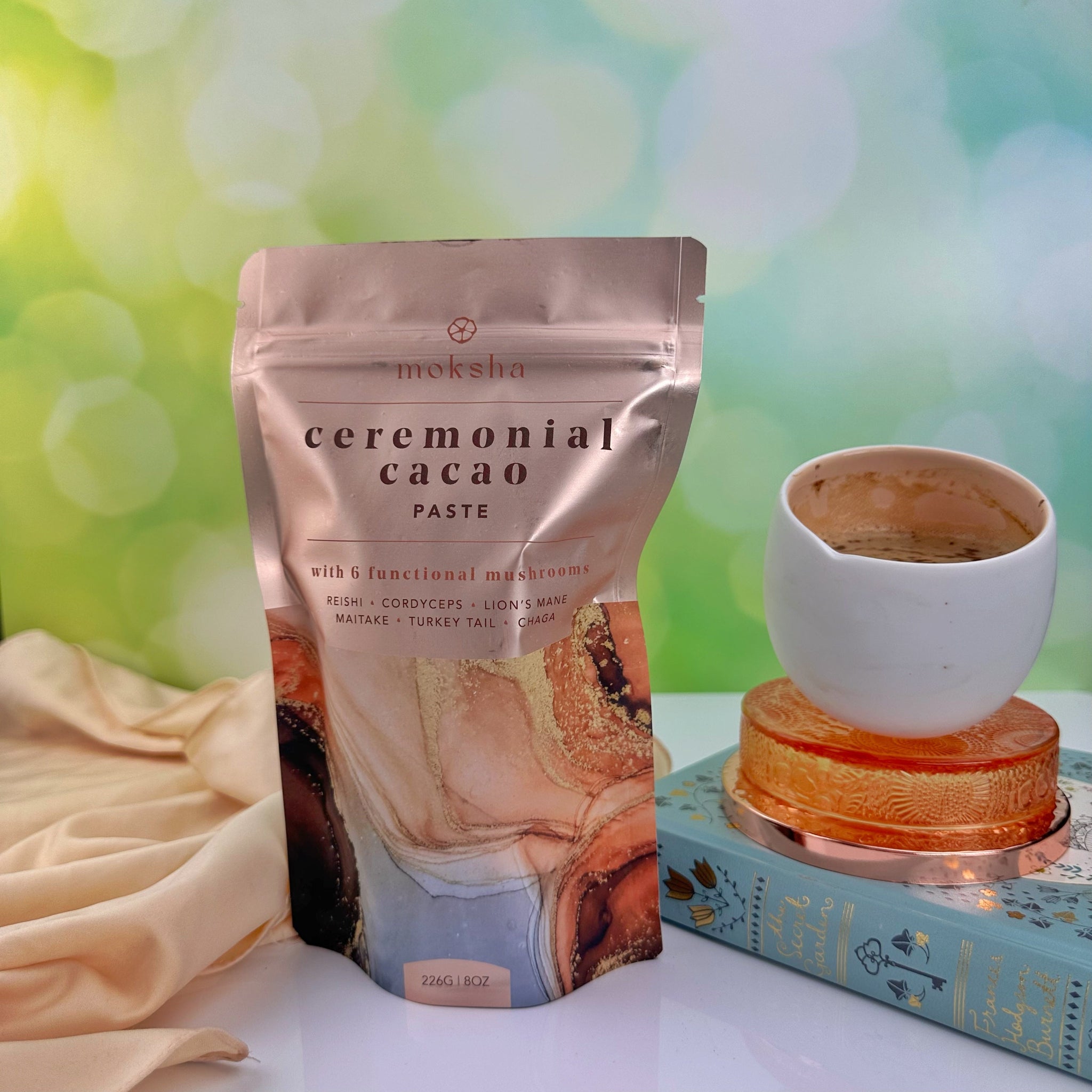
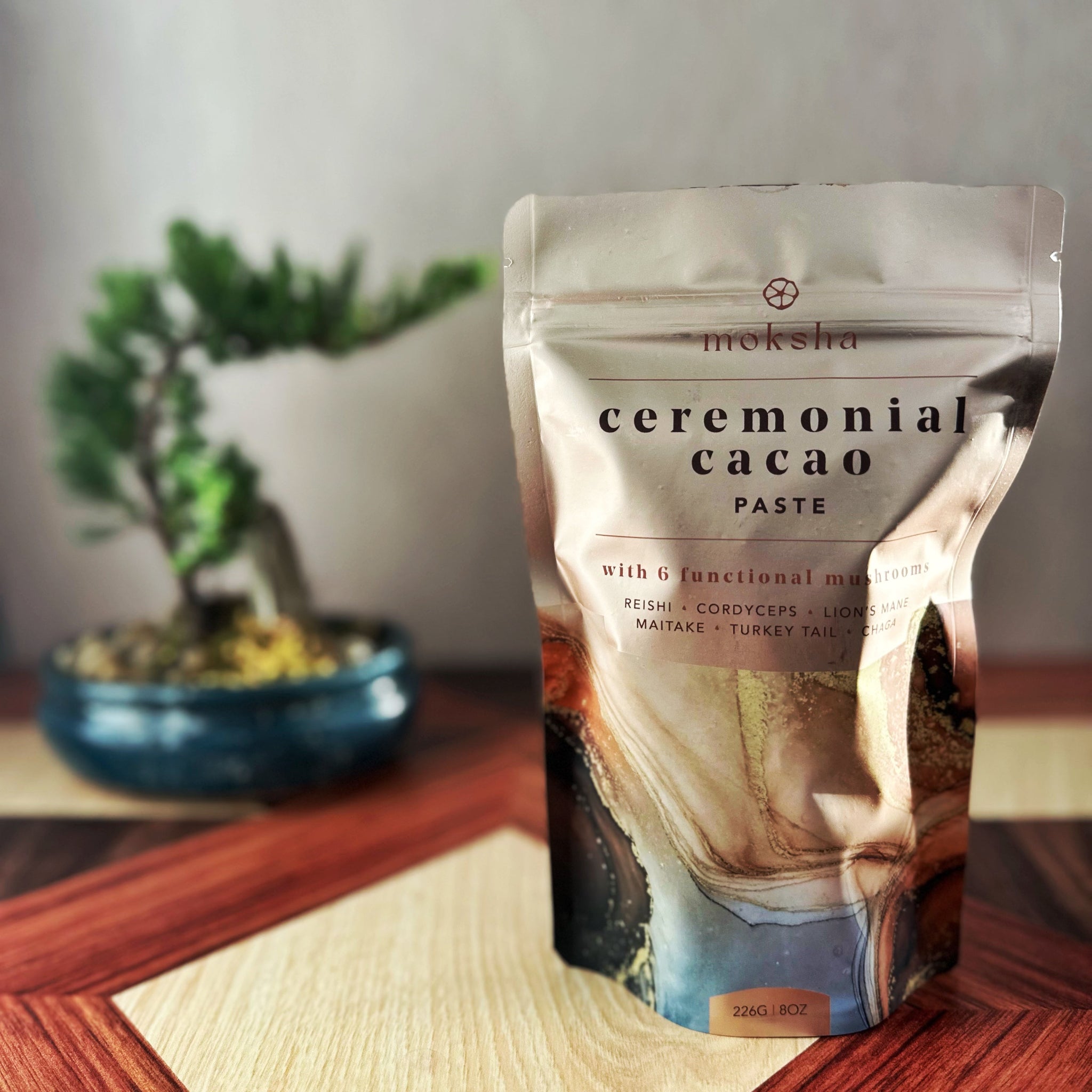
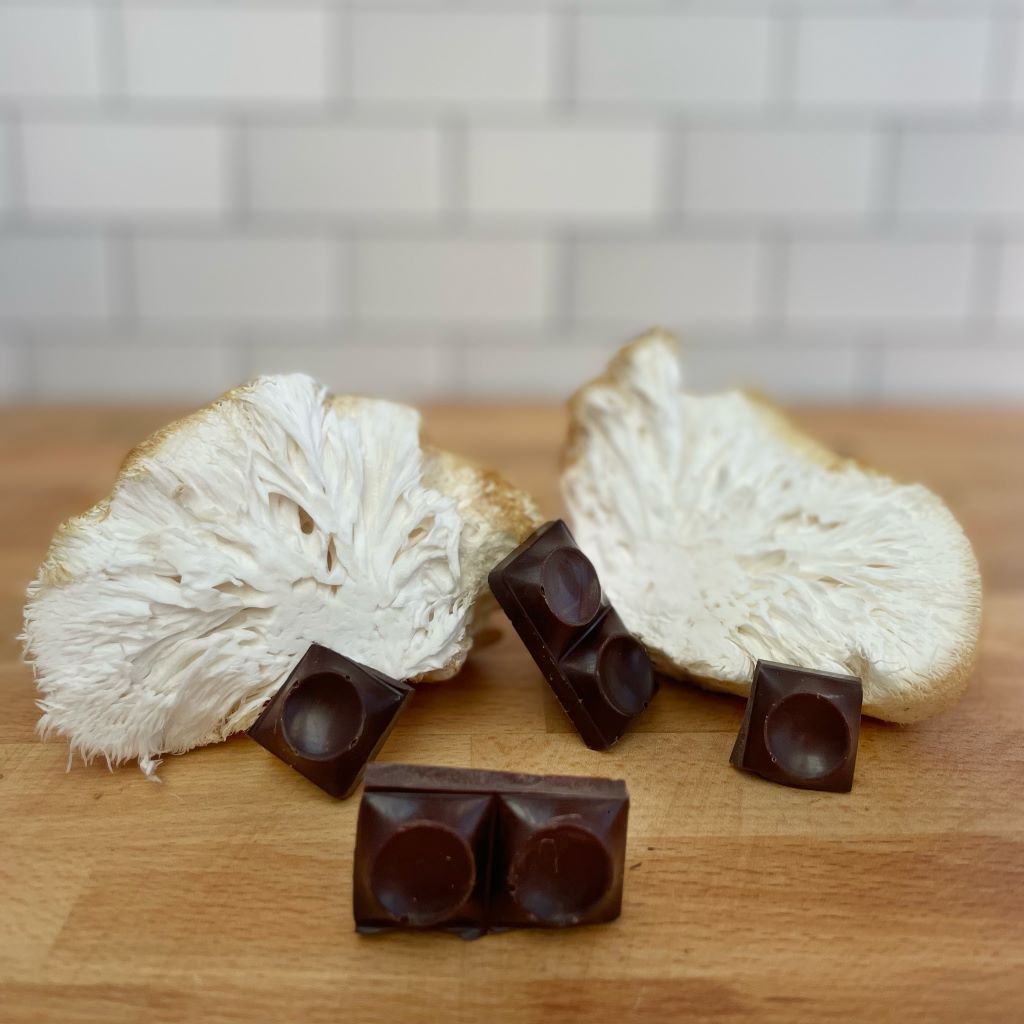
Moksha’s mushroom cacao paste starts with drinking cacao paste, then adds six functional mushrooms. It’s still a cacao-first drinking format, with mushroom ingredients blended into the paste.
At Moksha, we think about drinking cacao by format first:
-
Powder is for ease.
-
Paste is for body.
-
Mushroom cacao paste is for cacao drinkers who want an added mushroom ingredient blend.
All three come from cacao beans, so all three naturally contain caffeine.
Which drinking cacao should you choose?
Choose cacao powder if you want:
-
easier mixing
-
a lighter cup
-
a simple way to make drinking cacao at home
-
a format that works well with hot water, milk, or a milk alternative
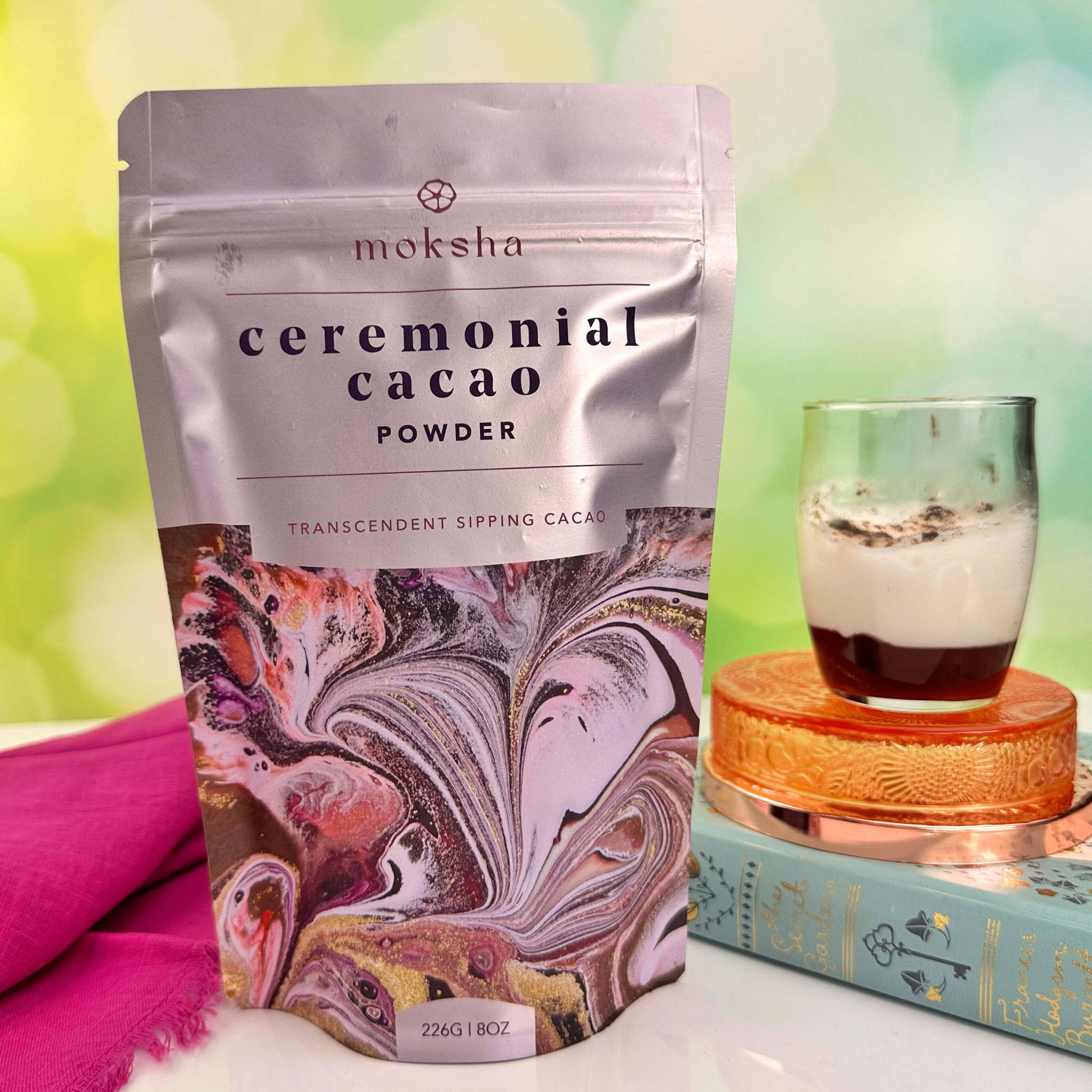
Start with Ceremonial Reserve Ground Cacao Powder.
Choose cacao paste if you want:
-
a richer texture
-
a fuller cup
-
a whole-cacao format with natural cacao butter
-
a more traditional drinking cacao preparation
Start with Ceremonial Reserve Cacao Paste.
Choose mushroom cacao paste if you want:
-
a cacao-first drinking paste
-
a richer cup with mushroom ingredients blended in
-
a drinking cacao format that includes six functional mushrooms
-
an alternative to plain cacao paste
Start with Ceremonial Forest Blend Cacao Paste with 6 Functional Mushrooms.
Choose the discovery kit if you want to compare powder and paste:
The Ceremonial Cacao Discovery Kit pairs Moksha’s ground cacao powder with cacao paste, so you can compare both formats in your own kitchen.
Browse the full Ceremonial Drinking Cacao collection to see every drinking cacao option.
How does cacao compare to coffee?
Cacao and coffee are often compared because both can be made into warm drinks and both contain naturally occurring caffeine.
But they’re very different ingredients.
Coffee is brewed from roasted coffee beans and is typically much higher in caffeine. Cacao is made from cacao beans and has a chocolate-forward flavor, along with naturally occurring theobromine.
|
Cacao |
Coffee |
|
Made from cacao beans |
Made from coffee beans |
|
Usually lower in caffeine |
Usually higher in caffeine |
|
Contains theobromine |
Does not have cacao’s theobromine profile |
|
Rich, earthy, chocolate-forward flavor |
Roasted, bitter, bright, or acidic flavor |
|
Prepared as drinking cacao, cacao powder, cacao paste, or chocolate |
Brewed as coffee |
If you’re comparing cacao with coffee, the main difference isn’t only the caffeine amount. It’s the ingredient, the flavor, the texture, and the way it’s prepared.
What is theobromine?
Theobromine is a naturally occurring compound found in cacao beans.
It’s related to caffeine, but it’s not the same compound. Cacao usually contains more theobromine than caffeine, which is one reason cacao is often talked about differently from coffee.
The amount of theobromine in a cacao product depends on the cacao percentage, serving size, origin, and processing method.
Is cacao the same as cocoa?
Cacao and cocoa are closely related words, and people often use them inconsistently.
In general, cacao is used for less processed cacao bean products, like cacao paste, cacao powder, and cacao nibs.
Cocoa is often used for more processed products, especially cocoa powder for baking or sweetened hot cocoa mixes.
The word alone doesn’t tell the whole story. The better question is: what’s actually in the product?
Look for:
-
the ingredient list
-
cacao percentage
-
whether the product is sweetened
-
whether it’s intended for drinking, baking, or eating
-
whether it’s powder, paste, nibs, or finished chocolate
Does dark chocolate have caffeine?
Yes. Dark chocolate contains caffeine because it contains cacao solids.
The amount depends on the cacao percentage and serving size. A higher-percentage dark chocolate bar usually contains more cacao solids than milk chocolate, which means it may also contain more naturally occurring caffeine.
That doesn’t mean all dark chocolate tastes the same. Origin, roast, fermentation, cacao percentage, and recipe all shape the final flavor.
If you want to explore Moksha’s full lineup, browse all Moksha Chocolate products.
Does white chocolate have caffeine?
White chocolate usually contains little to no caffeine because it doesn’t usually contain cacao solids.
Traditional white chocolate is made with cocoa butter, sugar, milk, and vanilla or other ingredients. Since caffeine is associated with cacao solids, white chocolate is usually much lower in caffeine than dark chocolate.
Recipes vary, so check the ingredient list and product details if caffeine content matters to you.
Buying drinking cacao in Boulder
Moksha Chocolate makes craft chocolate and drinking cacao in Boulder, Colorado.
If you’re shopping for ceremonial cacao near Boulder or Denver, browse Moksha’s Ceremonial Drinking Cacao collection and choose the format that fits your cup.
Local pickup and delivery options may be available at checkout.
Quick buying guide
-
For the easiest cup, choose Ceremonial Reserve Ground Cacao Powder.
-
For the richest classic cacao cup, choose Ceremonial Reserve Cacao Paste.
-
For cacao paste with mushroom ingredients, choose Ceremonial Forest Blend Cacao Paste with 6 Functional Mushrooms.
-
For side-by-side tasting, choose the Ceremonial Cacao Discovery Kit.
-
For all drinking cacao options, browse the Ceremonial Drinking Cacao collection.
-
For everything Moksha makes, browse all Moksha Chocolate products.
FAQ
Does cacao have caffeine?
Yes. Cacao contains naturally occurring caffeine because it comes from cacao beans.
Does ceremonial cacao have caffeine?
Yes. Ceremonial cacao contains caffeine because it’s made from cacao beans. The amount depends on the serving size, cacao origin, and product format.
Does cacao powder have caffeine?
Yes. Cacao powder contains caffeine because it’s made from cacao solids.
Does cacao paste have caffeine?
Yes. Cacao paste contains caffeine because it’s made from ground cacao beans.
Does mushroom cacao paste have caffeine?
Yes. Mushroom cacao paste contains caffeine because it starts with cacao paste, which is made from cacao beans.
Does cacao have more caffeine than coffee?
No. Coffee usually contains much more caffeine than cacao.
Is cacao caffeine-free?
No. Cacao isn’t caffeine-free.
Does white chocolate have caffeine?
White chocolate usually contains little to no caffeine because it doesn’t usually contain cacao solids.
Which Moksha cacao should I start with?
Start with Ceremonial Reserve Ground Cacao Powder if you want an easy-mixing cup.
Start with Ceremonial Reserve Cacao Paste if you want a richer, fuller classic cacao cup.
Start with Ceremonial Forest Blend Cacao Paste with 6 Functional Mushrooms if you want drinking cacao paste with mushroom ingredients blended in.
If you’re not sure whether you prefer powder or paste, choose the Ceremonial Cacao Discovery Kit so you can compare both formats side by side.
The bottom line
Cacao does contain caffeine, but usually much less than coffee.
It also contains theobromine, a naturally occurring cacao compound that gives cacao its own profile. That’s why drinking cacao shouldn’t be treated as coffee, hot cocoa mix, or a supplement. It’s cacao: a distinct ingredient with its own flavor, texture, and preparation.
If you want an easy-mixing cup, start with Ceremonial Reserve Ground Cacao Powder.
If you want a richer, fuller classic cacao cup, start with Ceremonial Reserve Cacao Paste.
If you want cacao paste with mushroom ingredients, start with Ceremonial Forest Blend Cacao Paste with 6 Functional Mushrooms.
To compare all drinking cacao options, shop Moksha’s Ceremonial Drinking Cacao collection.
To browse the full Moksha lineup, shop all Moksha Chocolate products.
Sources
-
USDA FoodData Central for food composition data on cocoa, chocolate, and related ingredients.
-
Mayo Clinic caffeine guidance for general caffeine comparison ranges.